GuideMadrid
Madrid by day: art walks, park landscapes and monumental squares

The short answer
For a daytime visit, choose between the Prado–Retiro landscape and the monumental streets of central Madrid. Give an art collection or a park walk room to become the main activity. This guide compares subjects for exploration, not venue counts or promises about how a neighbourhood will sound.
The places side by side
| Place | In short |
|---|---|
| 1. Puerta del SolSquare | Puerta del Sol: read the city’s symbols |
| 2. Gran VíaStreet | Gran Vía: a street-scale architecture outing |
| 3. Museo del PradoLandmark stay | Prado Museum: concentrate on painting |
| 4. Palacio Real de MadridLandmark stay | Royal Palace: look at the surrounding setting |
| 5. Estación de AtochaMetro station | Atocha: begin an art-district approach |
| 6. Parque del RetiroLandmark stay | El Retiro: choose a landscape to explore |
1. Puerta del Sol
Puerta del Sol: read the city’s symbols
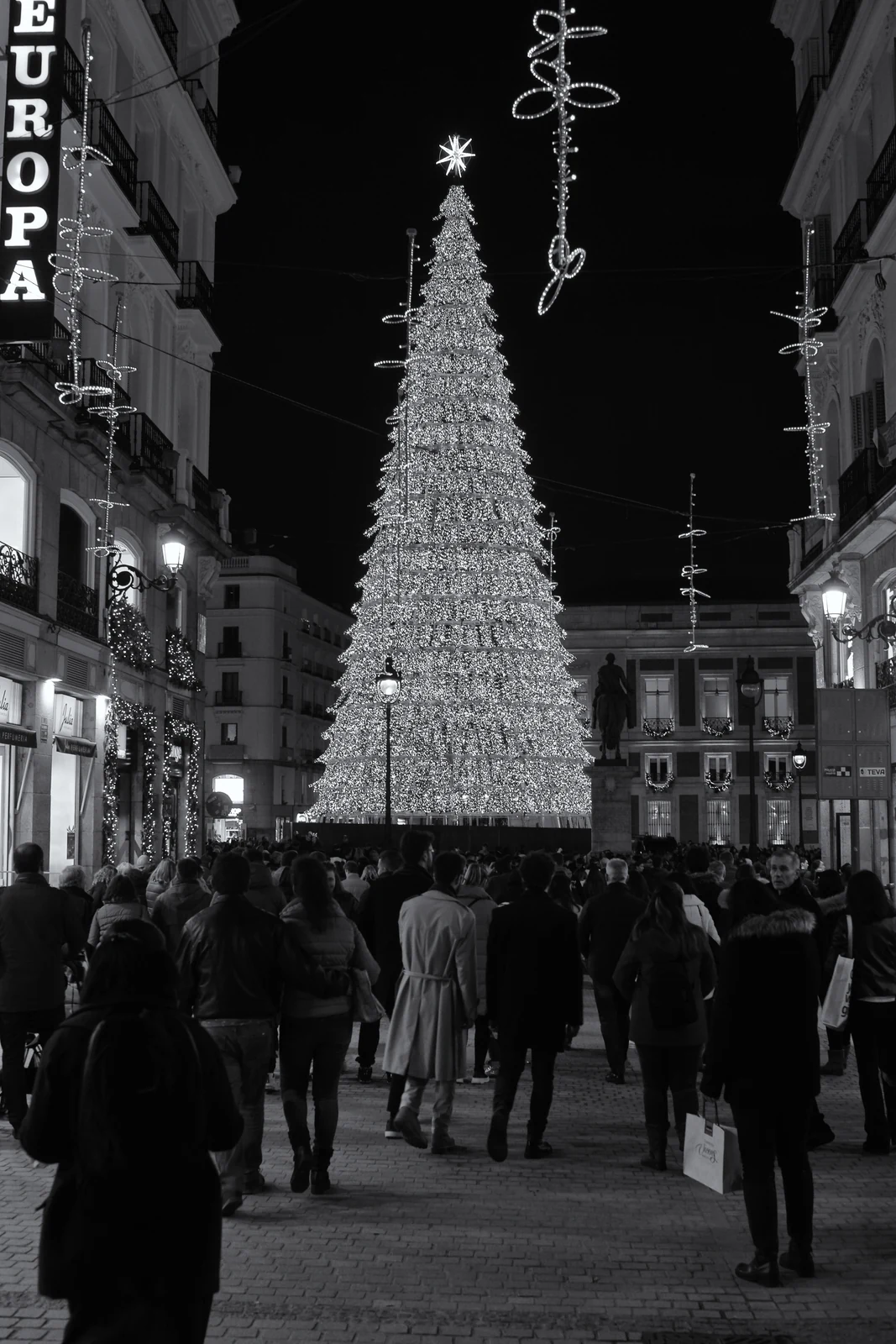
Look for the Bear and Strawberry Tree and the Casa de Correos clock as markers of Madrid’s public identity. Use the square for a focused observation rather than as a place to tick off and leave immediately.
2. Gran Vía
Gran Vía: a street-scale architecture outing
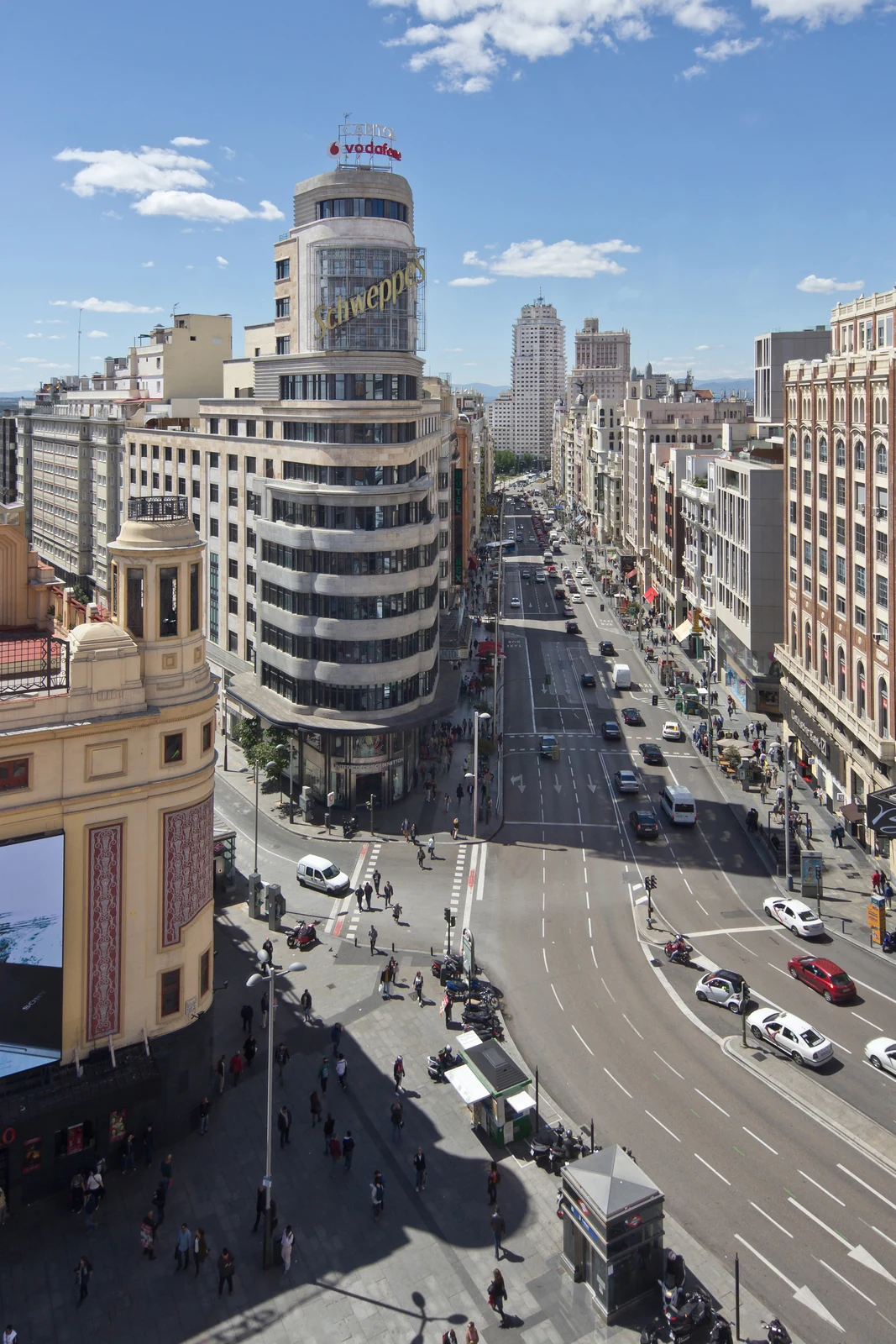
Choose Gran Vía if the scale of façades and the setting of theatres interests you. Make an architectural observation walk its own activity rather than combining it automatically with every museum on your list.
3. Museo del Prado
Prado Museum: concentrate on painting
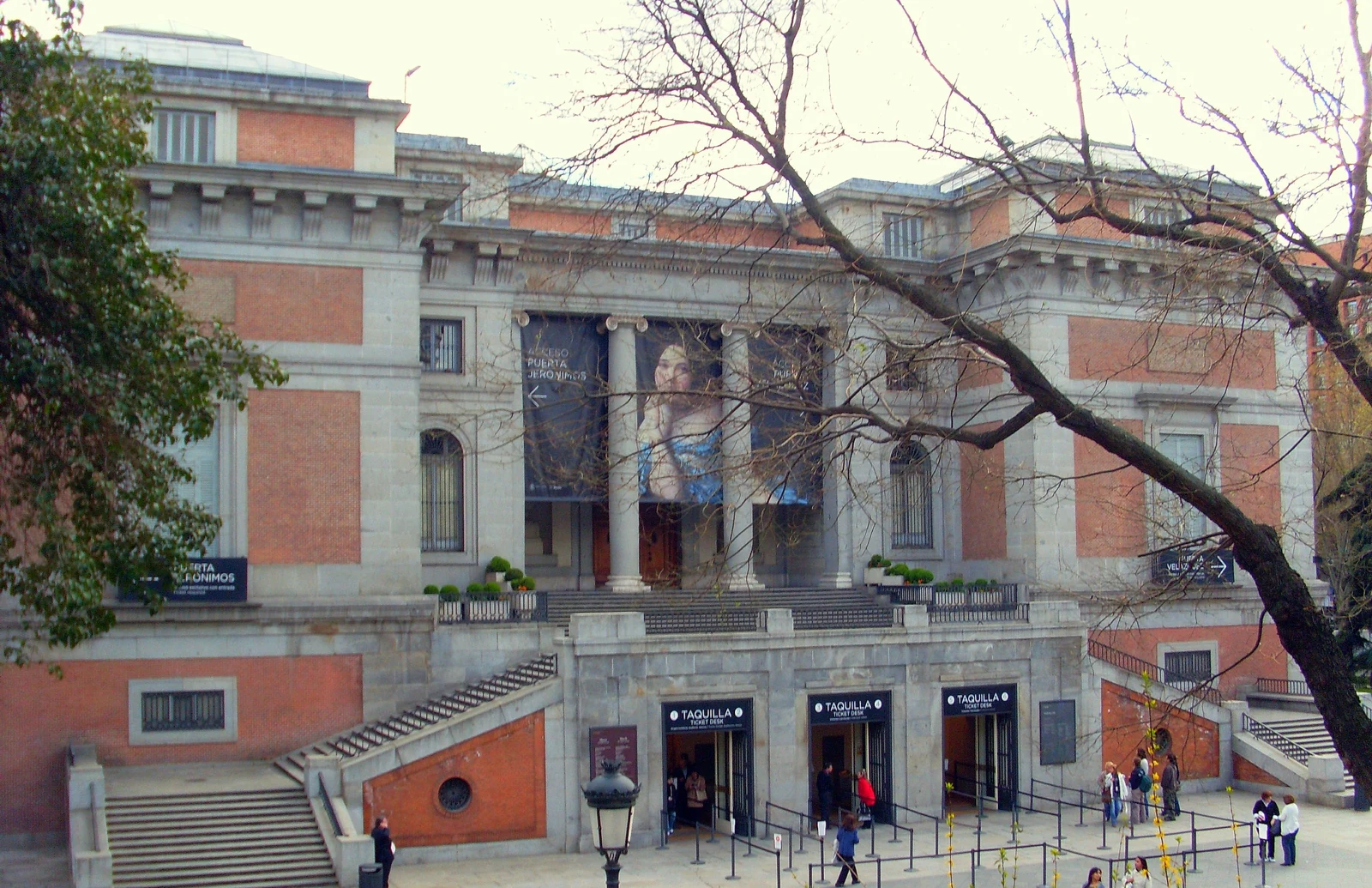
The Prado includes Velázquez’s Las Meninas and Goya’s Third of May, alongside Italian and Flemish painting. Choose a work or school that interests you, then build the rest of the visit around that focus rather than racing through the collection.
4. Palacio Real de Madrid
Royal Palace: look at the surrounding setting
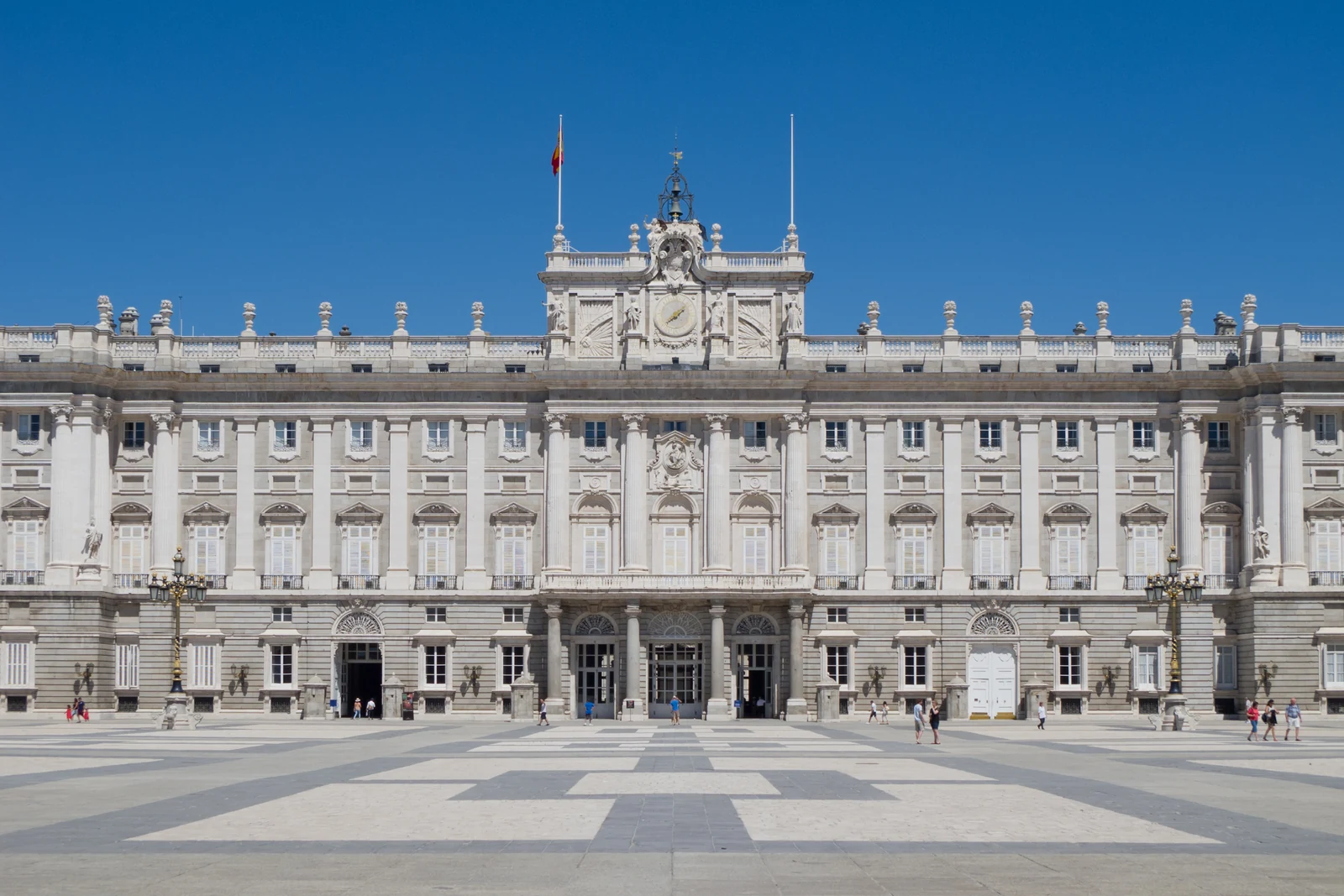
Explore the palace as the focal point of the royal quarter. Decide whether the surrounding public spaces are your subject or whether an interior visit should become the principal commitment of the day.
5. Estación de Atocha
Atocha: begin an art-district approach
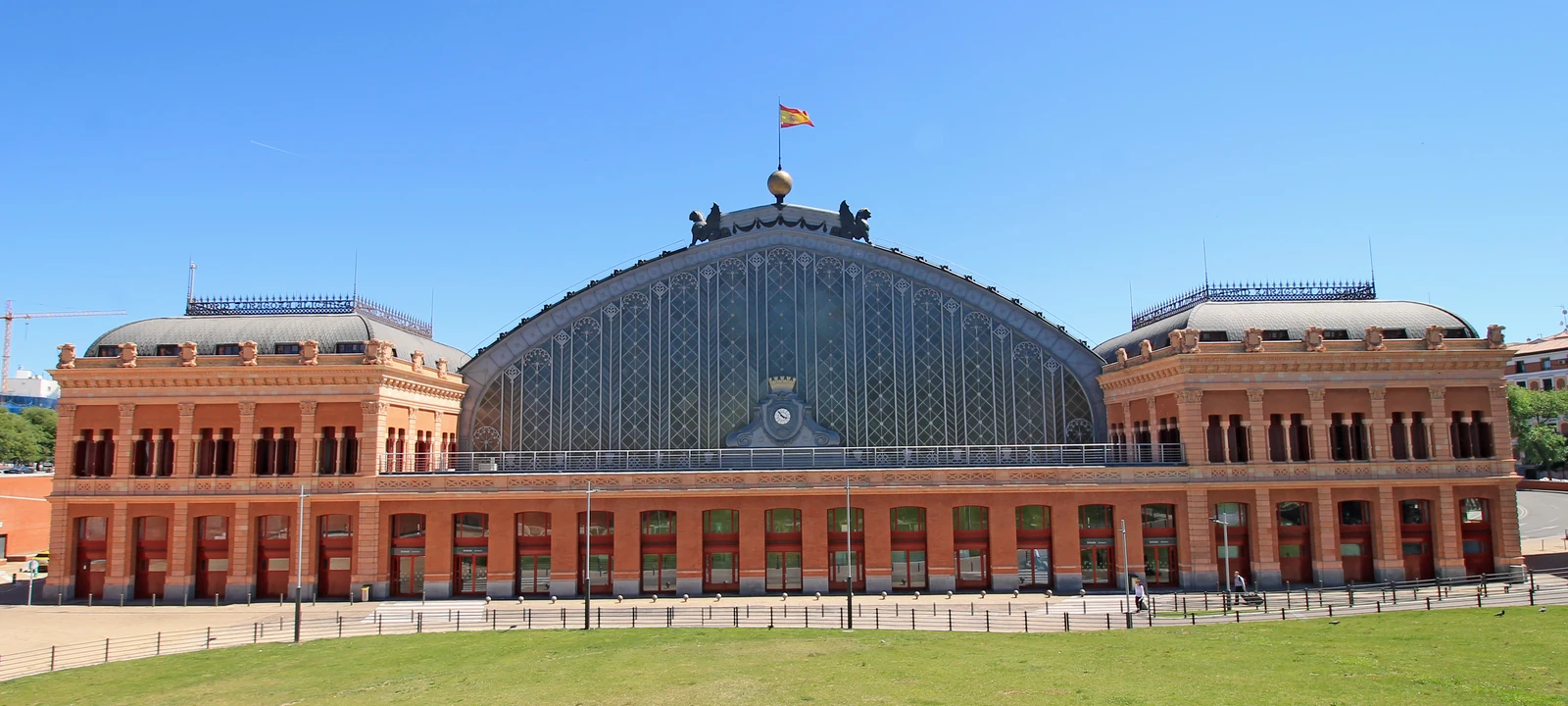
Use Atocha as a reference point for reaching the art district rather than a garden attraction to rely on. The official tourism page reports its tropical garden temporarily closed for works.
6. Parque del Retiro
El Retiro: choose a landscape to explore
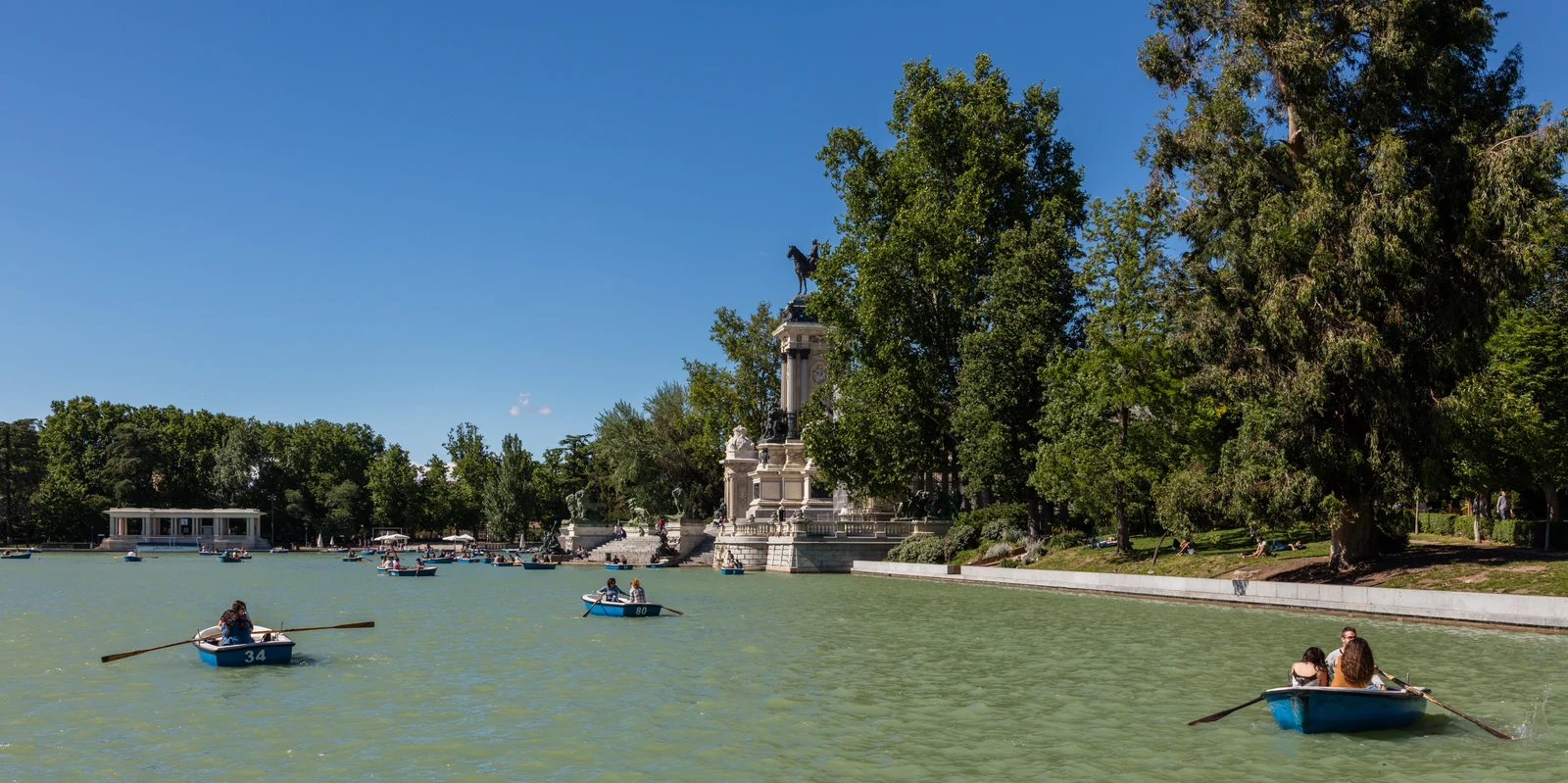
The lake and the monument to Alfonso XII give a park walk an identifiable focus. Choose a destination inside the park, then allow time to observe the landscape rather than crossing it only to reach another attraction.
An art walk is more than a row of museums
Paseo del Prado runs between the Carlos V roundabout and Cibeles, bringing cultural institutions into a shared urban landscape. The Prado, Thyssen-Bornemisza and CaixaForum are distinct choices, not a single visit. Pick the institution that fits your interests, and consider the boulevard itself as part of the experience.
Cibeles, Neptune and Apollo give the promenade a sequence of mythological references; the official tourism account identifies Ventura Rodríguez as their designer. They connect the experience of walking outdoors with the wider cultural setting of the boulevard. Rather than heading directly from one museum doorway to the next, look for how fountains and planted public space frame the approach to the collections.
Give Retiro a purpose beyond a break
Retiro contains distinct garden settings, including the Rosaleda rose garden, the Parterre Francés and the Andalusian-inspired Jardines de Cecilio Rodríguez. The lake and Alfonso XII monument belong to another part of its visual identity. A landscape-led visit can compare planting and enclosed garden spaces with the open water and monumental setting, making the park a subject in its own right rather than merely a break from galleries.
Do not assume that every building inside a park is accessible simply because the surrounding paths can be visited. Check any exhibition pavilion independently. The park and Paseo del Prado belong to the Landscape of Light heritage setting, but sharing that designation does not make them a single admission or a uniform visitor experience.
A different daytime route through central Madrid
For a monumental outdoor alternative, the Royal Palace area offers Plaza de Oriente and the Sabatini Gardens along the palace’s northern side. These public settings allow a different reading from an interior tour: the building as an edge to gardens and urban space. Pair that architectural focus with the civic symbols at Sol if you prefer a squares-and-monuments outing to the Prado–Retiro landscape.
Let the weather and your main interest determine whether to favour an interior or an exterior-led visit. This collection does not certify sound levels, crowd levels or step-free access. The useful distinction is what each place lets you explore, with official attraction information providing the final check for any planned entry.
How we compared
This is an editorial selection of places to explore, checked against the official city tourism and municipal sources listed below. The proposed groupings are planning suggestions, not measured walking routes or on-site inspections. Interior visits depend on current admission arrangements; check the attraction directly before building a day around entry.
- Mapped venue counts do not measure noise. Noise-risk ratings, formula-based walking times and unverified transit classifications are not shown.
- Distances are straight lines from the guide anchor, not walking routes or journey times.
- Elevations are sampled ground heights, not route ascent. Terrain models have limited resolution.
Questions and answers
Which option combines art and an outdoor walk?
Choose a museum around Paseo del Prado, then use the boulevard or a selected part of Retiro as the outdoor component. Avoid treating the entire art district as a single compulsory visit.
Can the palace area work without an interior visit?
Yes, an exterior-led exploration can focus on the palace’s urban setting. A tour inside is a separate choice that needs its own admission and entrance check.
Does this collection rank Madrid by sound levels?
No. It selects daytime subjects such as painting, park landscapes and public squares. It does not infer noise conditions from mapped businesses or promise a particular atmosphere.


