Where to stay in Barcelona
The grid, the old city and the seafront give very different stays; the street and its evenings matter more than the district name.
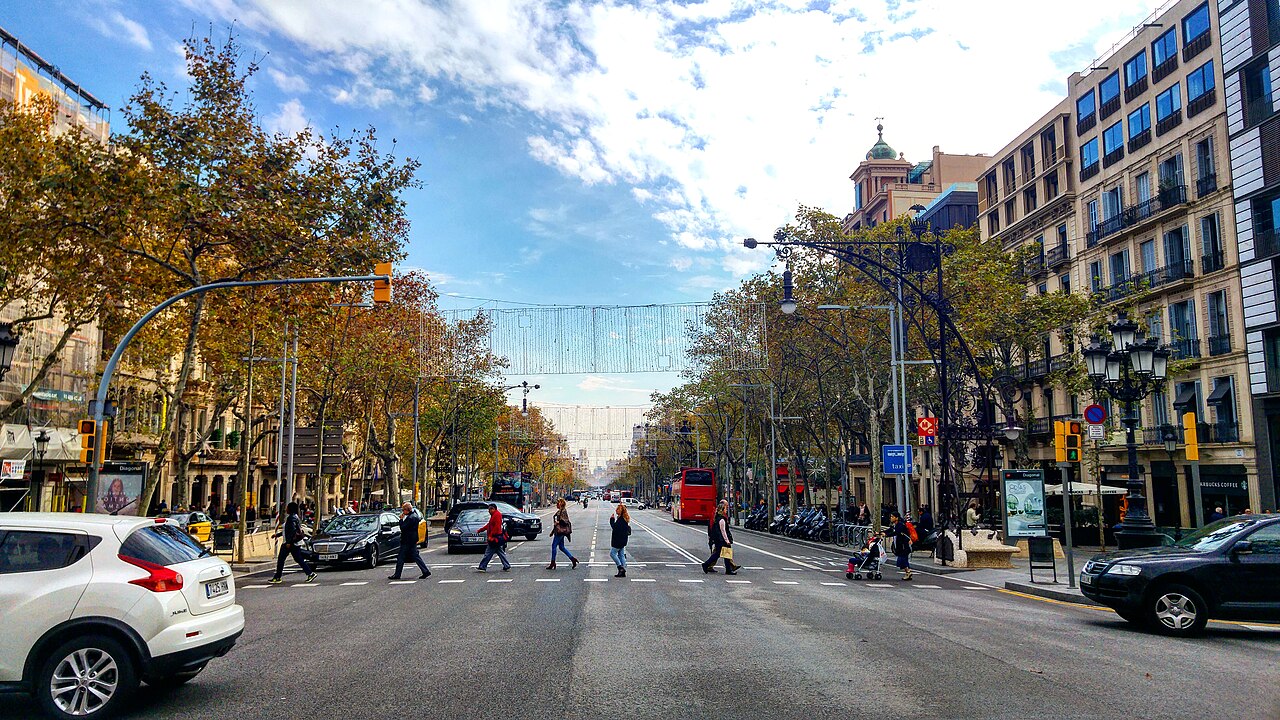
Updated: 24 Aug 2026
Choose by the street-level experience you want, not only the district name. Four areas, each with its fit, its catch and its transit context.
Quick picks
- First trip: Passeig de Gràcia + Consell de Cent. The simplest all-round orientation, with the Eixample grid and several transport anchors.
- Food and evenings: Passeig del Born + Santa Maria del Mar edge. Dense historic lanes and culture make dinner part of the old-city walk.
- A calmer base: Passeig de Gràcia + Consell de Cent. Pedestrian-priority street design reduces through-driving, but it does not prove a quiet room.
- Local feel: Carrer de Verdi corridor. Smaller streets and Gràcia’s social squares give a neighbourhood-scale stay inside the city.
1. Carrer de Verdi corridor
Vila de Gràcia
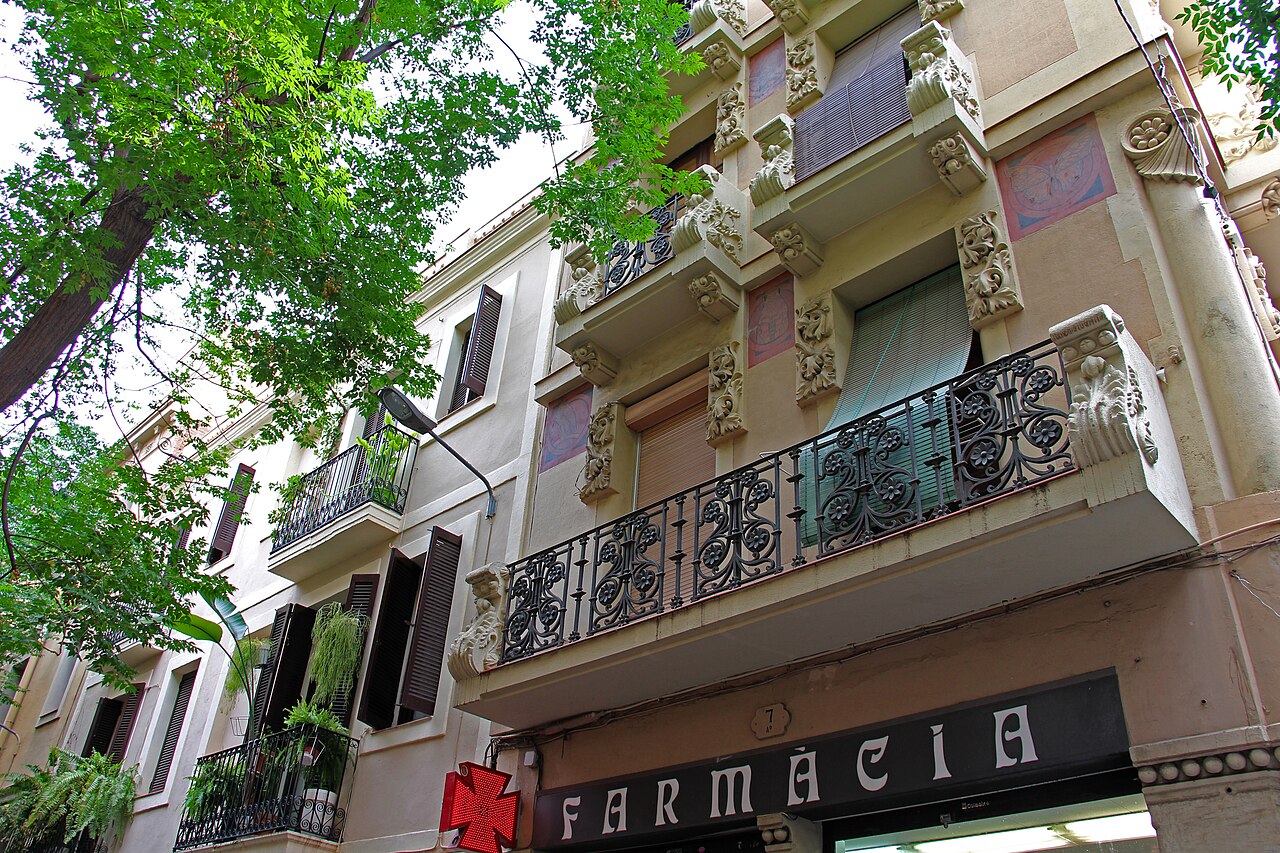
What it is like: A small-street base for travelers who want neighborhood-scale evenings, independent culture and Gràcia’s sequence of social squares.
Good for: Repeat visitors, Cafés and small-scale evenings, Neighborhood rhythm
Skip it if: You want the old city outside your door, Beach access is the main priority, You prefer broad avenues and large hotels
The catch: Gràcia’s social life concentrates around its squares. That character is the point, but it also means this is not a uniformly hushed pocket.
Getting around: Fontana and Joanic are the useful metro anchors; check the exact route from a property rather than treating all of Gràcia as equally connected.
Nearby: Plaça de la Virreina, Plaça del Diamant, Casa Vicens, Gran de Gràcia
Open in Google Maps, Sources: Barcelona Turisme, Barcelona City Council, Transports Metropolitans de Barcelona
2. Passeig de Gràcia + Consell de Cent
Dreta de l’Eixample
What it is like: A legible central base for a first trip: formal grid, major architecture and several transport choices without relying on the old-city street maze.
Good for: First Barcelona trip, Architecture-led days, Simple city orientation
Skip it if: You want a village-scale neighborhood, You prefer beach-first mornings, Luxury retail corridors feel too polished
The catch: Convenience and landmark access come with a more formal, commercial city-center atmosphere.
Getting around: Passeig de Gràcia and nearby Girona/Diagonal are the main rail and metro anchors. Verify current service notices before travel.
Nearby: Casa Batlló, La Pedrera, Rambla de Catalunya, Plaça de Catalunya
Open in Google Maps, Sources: Barcelona Turisme, Barcelona City Council, Transports Metropolitans de Barcelona
3. Passeig del Born + Santa Maria del Mar edge
La Ribera / El Born
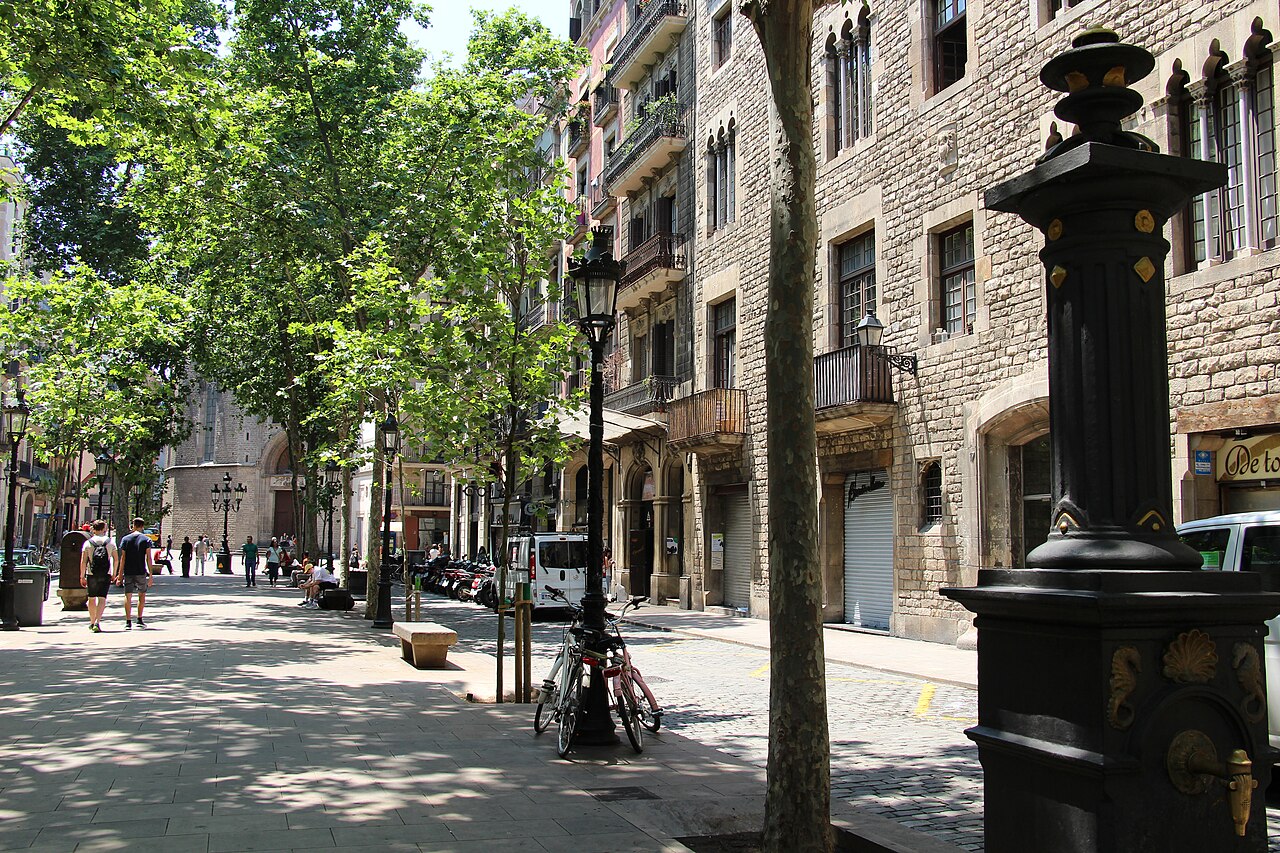
What it is like: A historic-core base for travelers who want medieval street texture, culture and dinners directly around the stay.
Good for: Short culture-heavy stays, Historic atmosphere, Evening dining on foot
Skip it if: Straightforward taxi access matters, You dislike irregular street networks, You want a calm residential base
The catch: The same compact medieval fabric that creates atmosphere can make navigation, luggage arrival and block-by-block sleep conditions less predictable.
Getting around: Jaume I on L4 is the clearest metro anchor; Arc de Triomf and Barceloneta may be useful depending on the exact edge.
Nearby: Santa Maria del Mar, Picasso Museum, Parc de la Ciutadella, Via Laietana
Open in Google Maps, Sources: Barcelona Turisme, Transports Metropolitans de Barcelona
4. Rambla del Poblenou
Poblenou
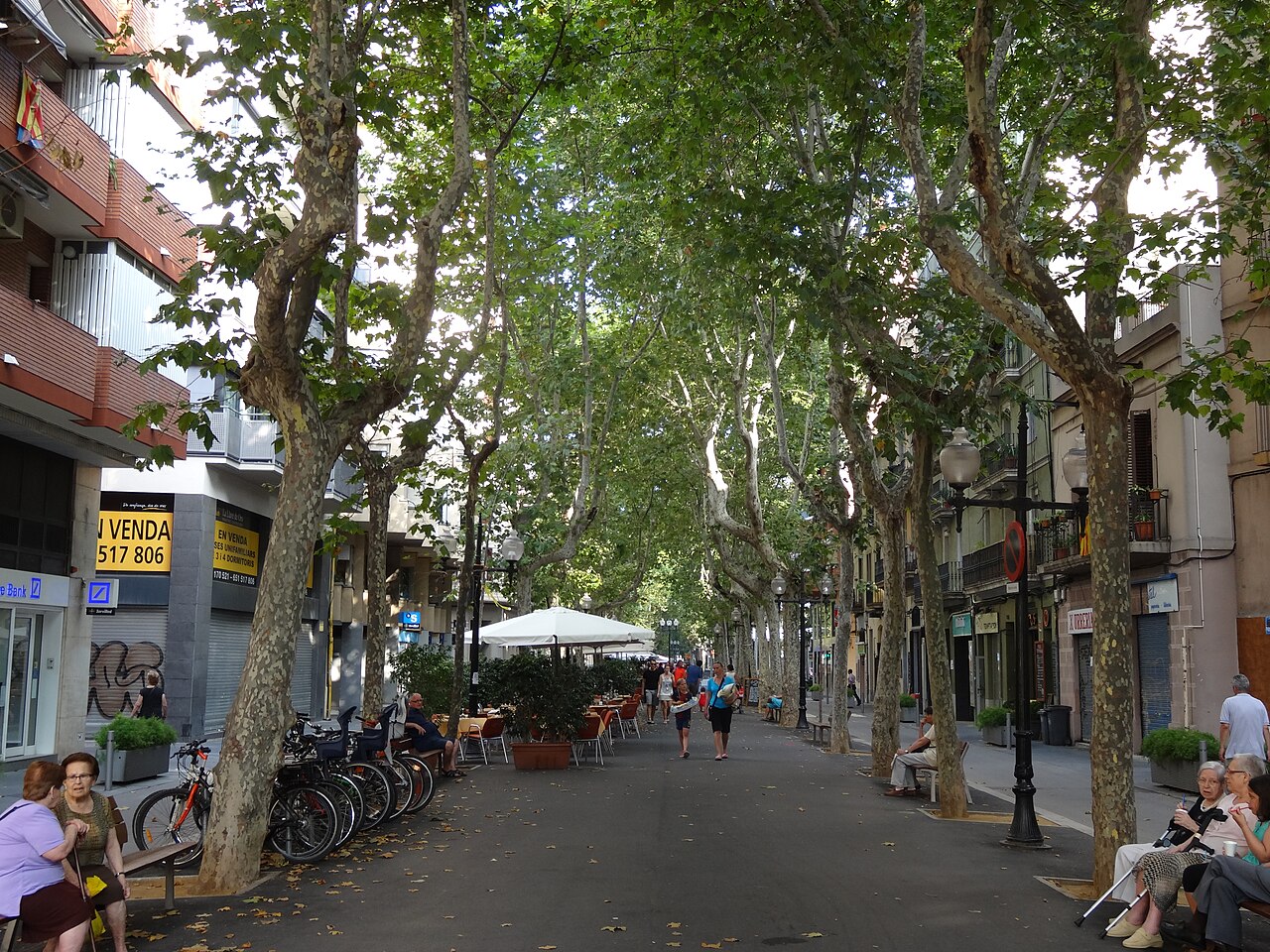
What it is like: A beach-and-neighborhood compromise centered on a social promenade rather than the historic core.
Good for: Beach + city balance, Longer relaxed stays, A clear neighborhood spine
Skip it if: Old-city landmarks must be walk-out-the-door, You want maximum late-night density, Every trip should start at Plaça de Catalunya
The catch: You gain a stronger neighborhood-and-coast rhythm but accept regular metro or taxi trips to the historic center.
Getting around: Poblenou and Llacuna on L4 are the main metro anchors. The best station depends on which section of the rambla you choose.
Nearby: Bogatell beach, Pere IV, Poblenou cemetery, 22@ district
Open in Google Maps, Sources: Barcelona Turisme, Barcelona City Council, Transports Metropolitans de Barcelona


