GuideBarcelona
Arriving at Barcelona Sants: a neighbourhood walk and onward ideas

The short answer
Begin with Sants and Hostafrancs rather than immediately crossing Barcelona. Explore the park and market setting around the station district, then decide whether your next outing should focus on the old town or Modernista architecture. The central landmarks below are onward options, not stops on a short station loop.
The places side by side
| Place | In short |
|---|---|
| 1. Barcelona SantsMetro station | Barcelona Sants: begin with the neighbourhood |
| 2. Sagrada FamíliaLandmark stay | Sagrada Família: a separate onward visit |
| 3. Passeig de GràciaStreet | Passeig de Gràcia: an architectural alternative |
| 4. La RamblaStreet | La Rambla: shift to the old-town promenade |
| 5. Plaça de CatalunyaSquare | Plaça de Catalunya: reset your orientation |
| 6. el Barri GòticNeighbourhood | Gothic Quarter: follow up with historic lanes |
1. Barcelona Sants
Barcelona Sants: begin with the neighbourhood
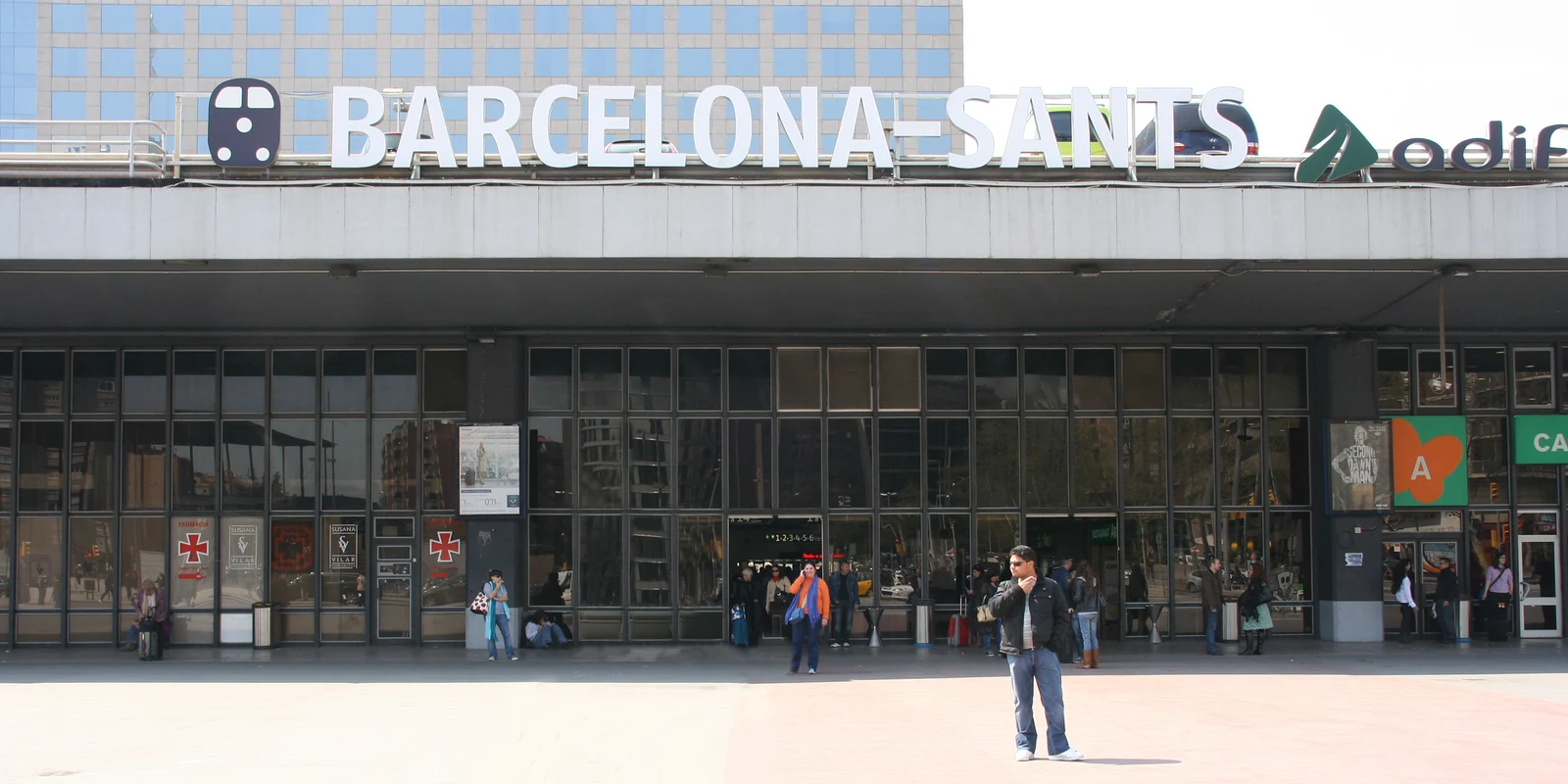
Use the station as your arrival reference, then explore Sants and Hostafrancs through their public spaces. Decide how much luggage and onward-travel time you have before turning an arrival into an ambitious sightseeing programme.
2. Sagrada Família
Sagrada Família: a separate onward visit
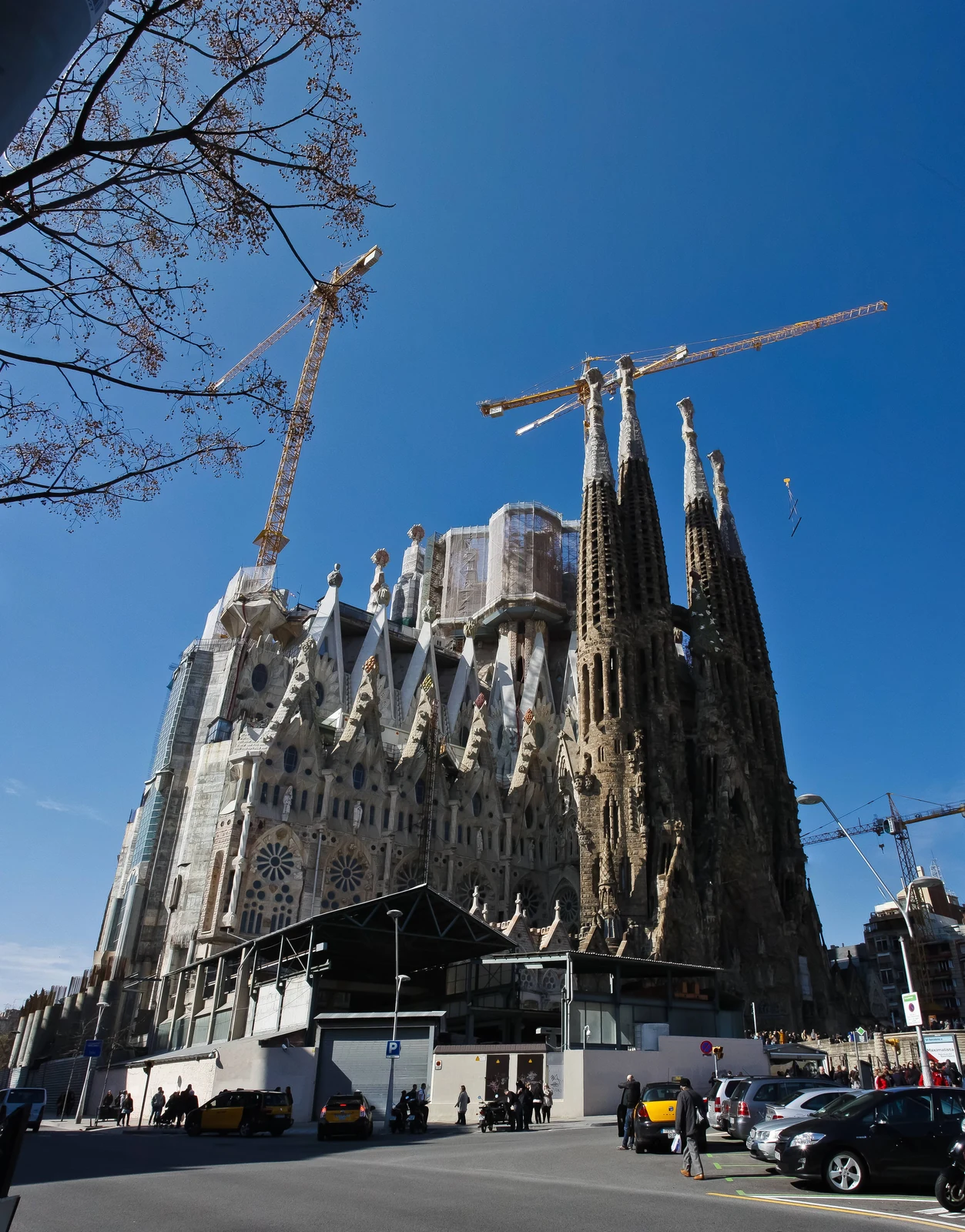
Choose the basilica if Gaudí is the reason you have come to Barcelona. Give the visit its own plan rather than assuming it is part of the neighbourhood immediately around Sants station.
3. Passeig de Gràcia
Passeig de Gràcia: an architectural alternative
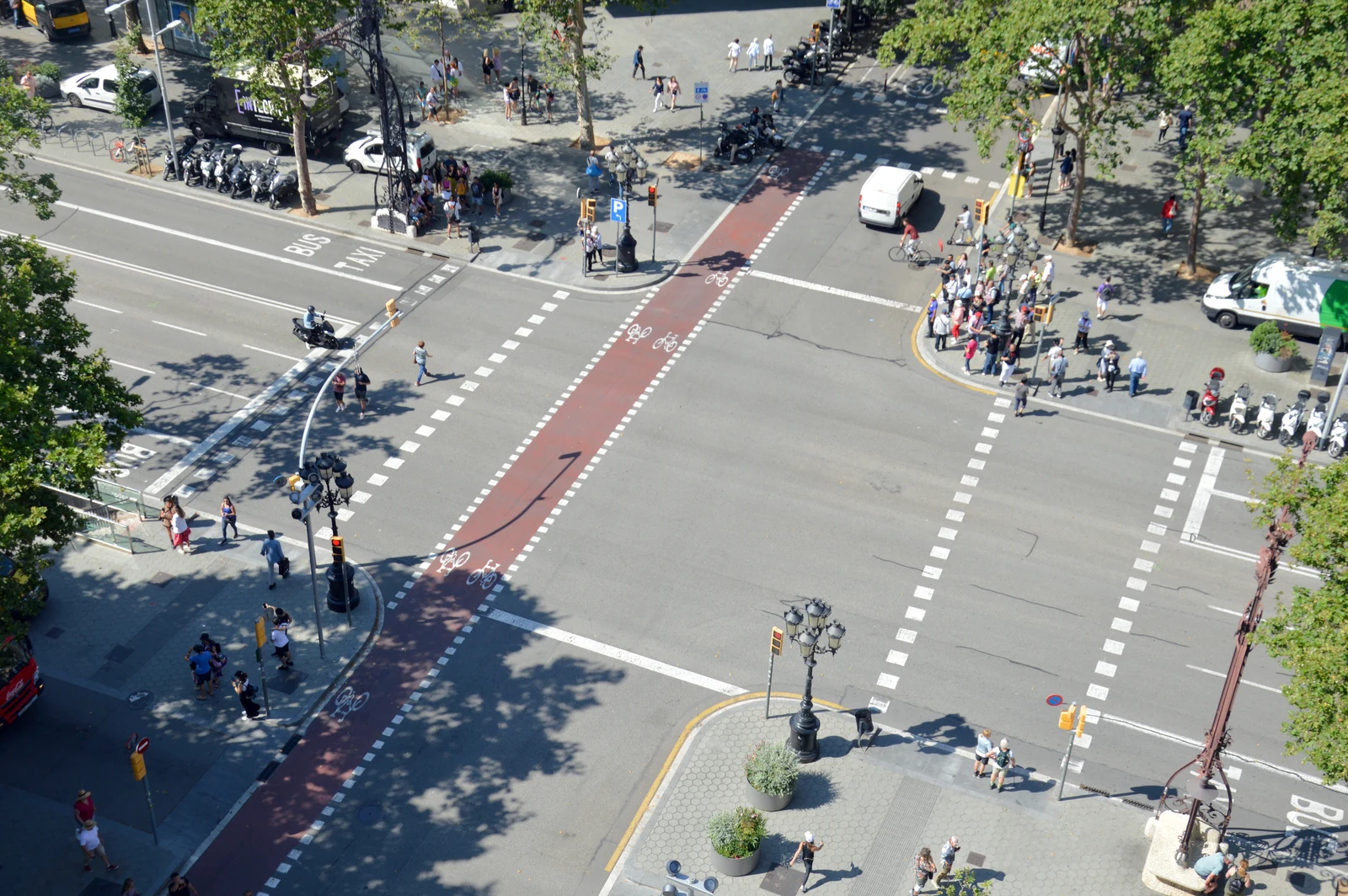
Make this your onward destination if comparing Modernista houses interests you more than extending the local walk. Decide which interior, if any, matters before filling the remaining time with façade stops.
4. La Rambla
La Rambla: shift to the old-town promenade
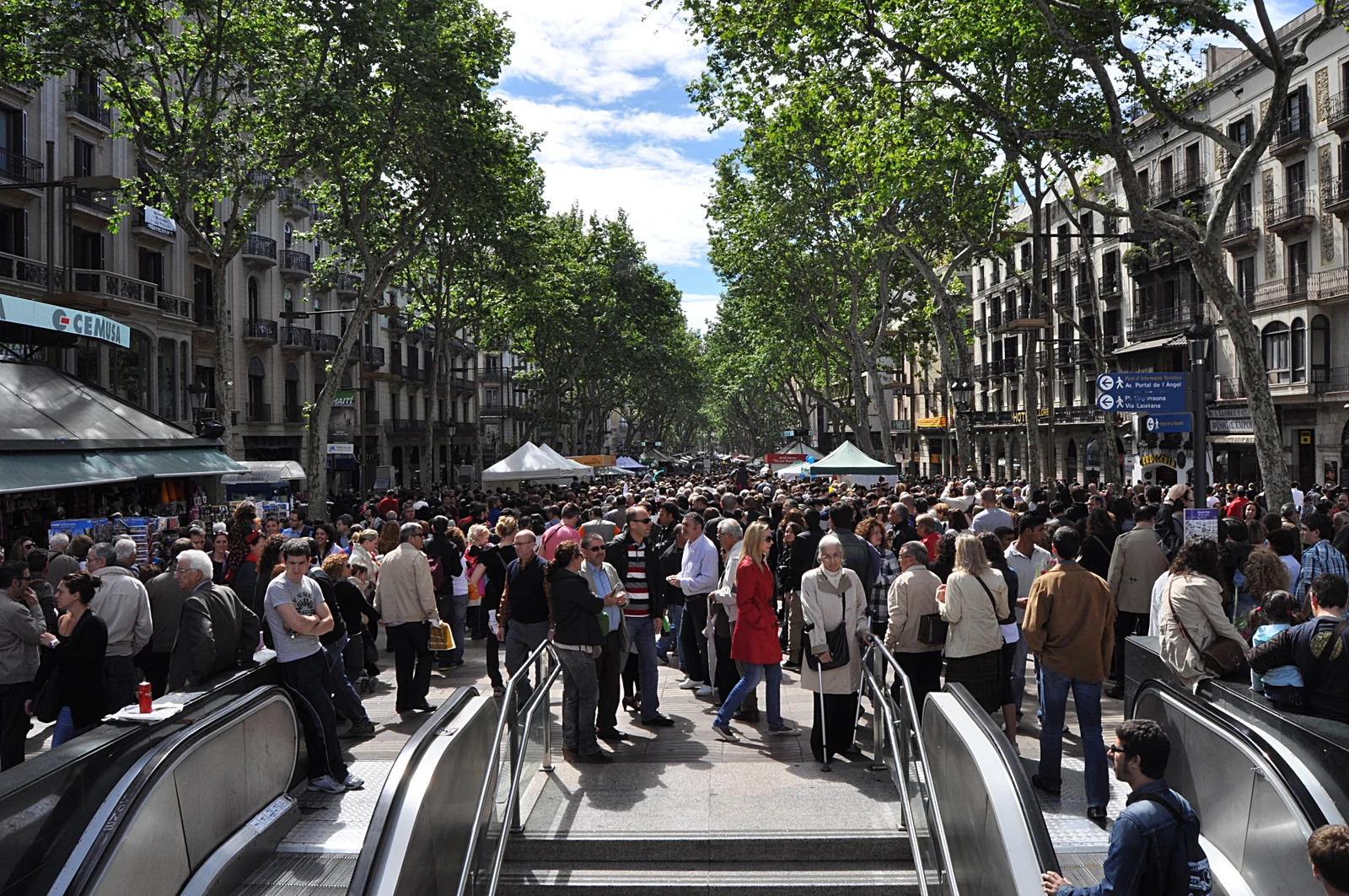
Choose La Rambla for an introduction to the old town’s cultural and commercial street life. It is a separate city outing from Sants, not a landmark to search for beside the station exits.
5. Plaça de Catalunya
Plaça de Catalunya: reset your orientation
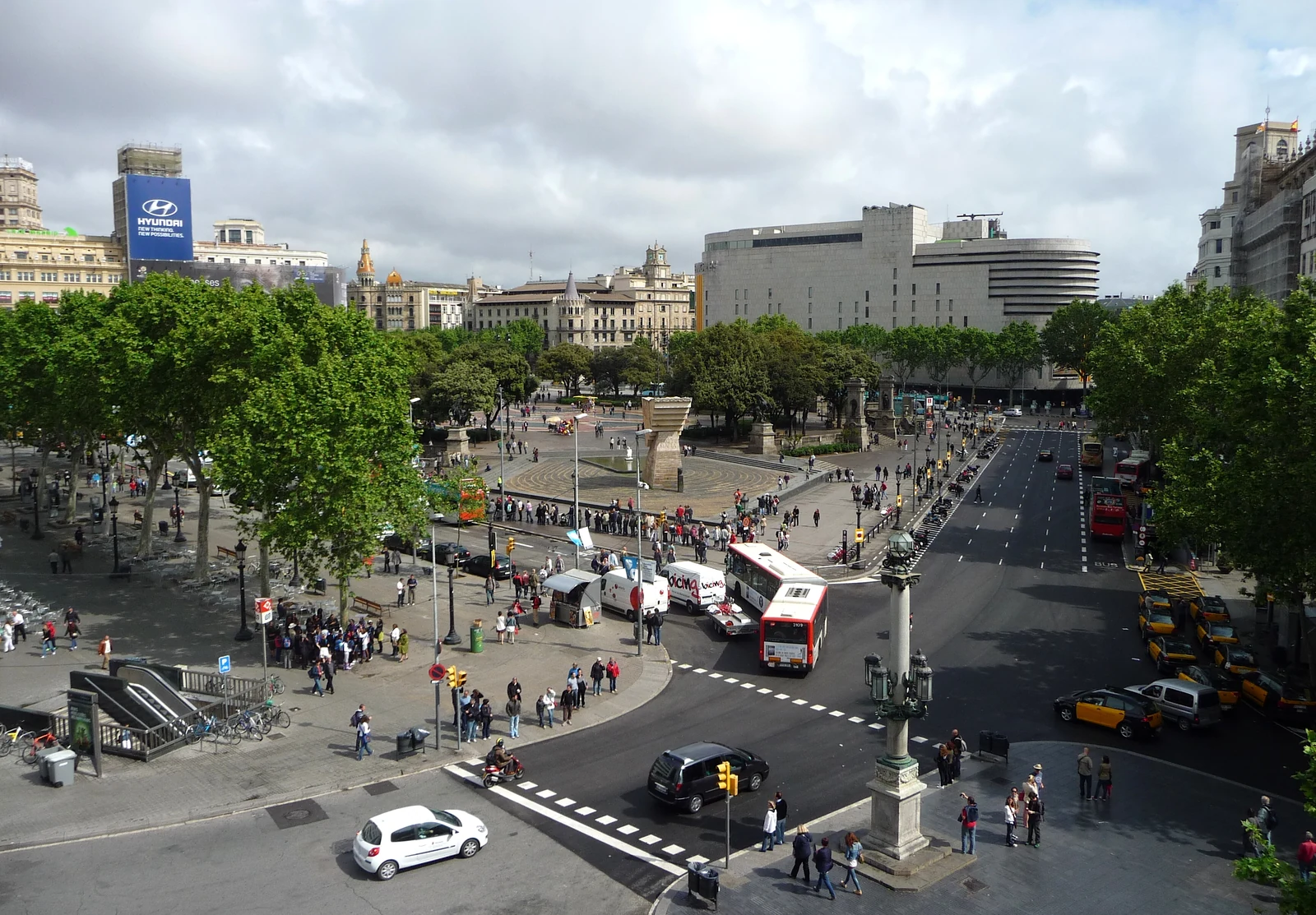
Use the square to reorient if you continue into central Barcelona. From here, make a deliberate choice between the Eixample and old-town sides rather than allowing the arrival journey to dictate the whole day.
6. el Barri Gòtic
Gothic Quarter: follow up with historic lanes
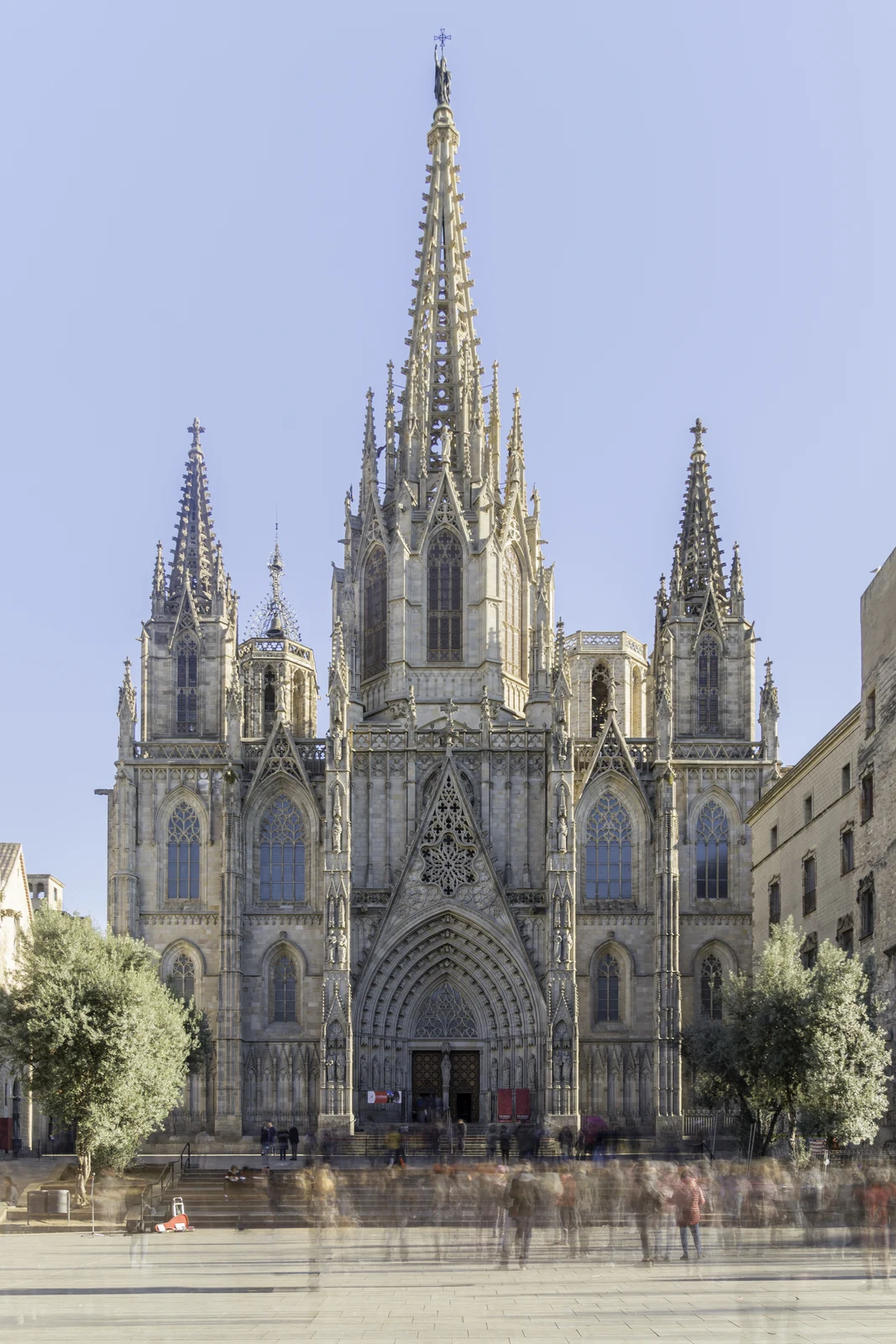
Save the Gothic Quarter for a walk when you can pay attention to its turns and squares. A tightly constrained rail connection is a poor reason to rush through a district best explored selectively.
Make the first decision at the station
Sants and Hostafrancs are connected by the shopping axis of Creu Coberta and Carrer de Sants. Behind that axis, the municipal account points to smaller streets and squares rather than a single monumental centre. This gives an arrival walk a straightforward structure: leave the railway setting for the commercial street, then explore a chosen side-street area instead of immediately crossing the city.
Find the neighbourhood beyond the concourse
Hostafrancs Market stands on Creu Coberta and developed to serve a neighbourhood growing around factories. It offers a concrete link between the district’s industrial past and its continuing commercial role. Cotxeres de Sants and Casinet d’Hostafrancs add a community-cultural layer to the outing. These places explain Sants through everyday institutions rather than a catalogue of major monuments; interior access and any event programme should be checked separately.
Read the industrial landscape
Parc de l’Espanya Industrial gives the local walk a clear visual subject. Barcelona’s municipal description links the site to a former cotton mill and identifies a lake and dragon-shaped metal structure. Look at the relationship between open space and the surrounding neighbourhood; a park visit can be the whole outing rather than a waiting period before another destination.
Follow the older village centre
Plaça de Bonet i Muixí, with the parish church of Santa Maria dels Sants, marks the area around which the earlier village developed. The municipal guide also identifies Carrer de Sant Medir and Carrer de Sant Jordi around the market. Their value in this itinerary is the change of scale from the station and shopping axis to the neighbourhood’s smaller spaces, not the promise of a hidden or empty district.
Choose an onward theme
When there is no immediate train deadline, choose between a Modernista architecture outing and an old-town outing. Passeig de Gràcia and Sagrada Família answer different architectural questions, so selecting one is more useful than trying to cover both automatically. La Rambla and the Gothic Quarter offer another direction, centred on streets, squares and historic buildings.
Leave room for arrival-day energy
An arrival day may call for a compact neighbourhood visit rather than a major landmark. Ending after the park or a market street is a legitimate plan. If you continue into the centre, reconsider your priorities at Plaça de Catalunya instead of carrying forward an overfilled list created before the journey began. Build the outing around attention, not completion.
How we compared
This is an editorial selection of places to explore, checked against the official city tourism and municipal sources listed below. The proposed groupings are planning suggestions, not measured walking routes or on-site inspections. Interior visits depend on current admission arrangements; check the attraction directly before building a day around entry.
- Mapped venue counts do not measure noise. Noise-risk ratings, formula-based walking times and unverified transit classifications are not shown.
- Distances are straight lines from the guide anchor, not walking routes or journey times.
- Elevations are sampled ground heights, not route ascent. Terrain models have limited resolution.
Questions and answers
What can I explore in the Sants neighbourhood?
The official city sources highlight Sants and Hostafrancs markets, community spaces and Parc de l’Espanya Industrial. Select an interest rather than expecting a miniature version of the old-town monument circuit.
Are the other listed landmarks all near Sants?
No. They are onward exploration choices elsewhere in Barcelona. The list distinguishes a local neighbourhood outing from a separate visit to central architecture or the old town.
Can I use this as a guaranteed between-trains itinerary?
No. It is not a measured connection plan. Your luggage, station access, operator instructions and actual departure determine whether leaving the station is appropriate.


