Compare mapped nightlife around Barcelona stay areas
Six Barcelona anchors compared by mapped bars, pubs and nightclubs within 250 m, with metro walking estimates and sampled terrain for each.
Six Barcelona anchors compared by mapped bars, pubs and nightclubs within 250 m, with metro walking estimates and sampled terrain for each.
Mapped bar, pub and nightclub counts within 250 m of six Madrid anchors, from 0 at Retiro to 31 at Puerta del Sol, with walking and terrain context.
Eleven hotels mapped in OpenStreetMap within 500 m of Estación de Atocha, nearest first, with walking estimates, nightlife counts and terrain notes.
Hotel entries mapped in OpenStreetMap within 500 m of Barcelona Sants, nearest first, with walking estimates and a comparison with five other bases.
Gothic Quarter or El Born? Compare mapped bars within 250 m, sampled elevation and estimated walks to the nearest metro stop from each anchor.
Compare Plaza del Dos de Mayo and Plaza de Chueca: 70 versus 46 mapped venues within 250 m, metro at 266 m versus 7 m, and 32 m versus 20 m of sampled elevation.
Puerta del Sol maps 31 bars, pubs and clubs within 250 m, Gran Vía 23; both samples span about 36 m of ground. Compare metro walks, terrain and hotels.
Six Barcelona bases compared by mapped venues, sampled elevation and metro distance from each anchor, so first-timers can choose by trade-off.
Six Madrid anchors compared for a first stay: mapped hotels within 500 m, walking estimates to the nearest metro, nightlife counts and sampled elevation.
13 street guides to Barcelona's landmarks, streets, squares, stations and neighbourhoods, each with mapped nightlife, climb, metro walks and hotels.
21 street guides to Madrid's landmarks, streets, squares, stations and neighbourhoods, each with mapped nightlife, climb, metro walks and hotels.
4 street guides to Seville's landmarks, streets, squares, stations and neighbourhoods, each with mapped nightlife, climb, metro walks and hotels.
2 street guides to Valencia's landmarks, streets, squares, stations and neighbourhoods, each with mapped nightlife, climb, metro walks and hotels.
4 street guides to Málaga's landmarks, streets, squares, stations and neighbourhoods, each with mapped nightlife, climb, metro walks and hotels.
5 street guides to Granada's landmarks, streets, squares, stations and neighbourhoods, each with mapped nightlife, climb, metro walks and hotels.
Water splits Istanbul, so your base sets your daily crossings: tram over the Golden Horn, or ferry across the Bosphorus.

Lisbon's downtown grid sits between steep hills, so your base decides your daily climbing, late-night noise and metro rides.

Midtown keeps many famous sights close but feels commercial; other neighbourhoods trade that for local life and longer subway rides.

Each of the 20 arrondissements has its own character and access, and your metro line matters more than the distance.

No metro line crosses Rome's Pantheon–Navona core, so staying close to the sights means more crowds and no metro at your door.

Tokyo has several separate centres linked by rail, so your base decides your evenings, your airport run and your daily transfers.

The grid, the old city and the seafront give very different stays; the street and its evenings matter more than the district name.
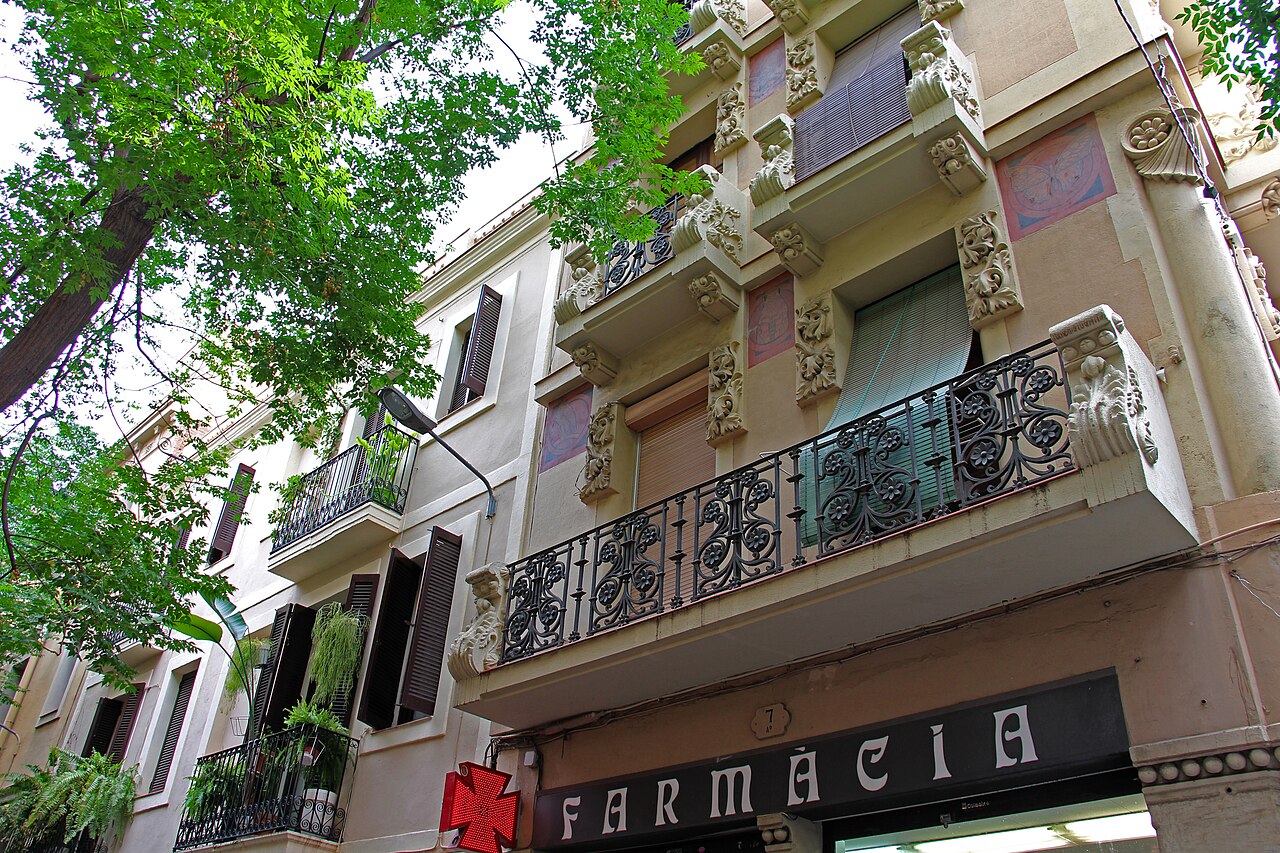
Three Barcelona pockets that make a first visit easier, with the trade-off of each.
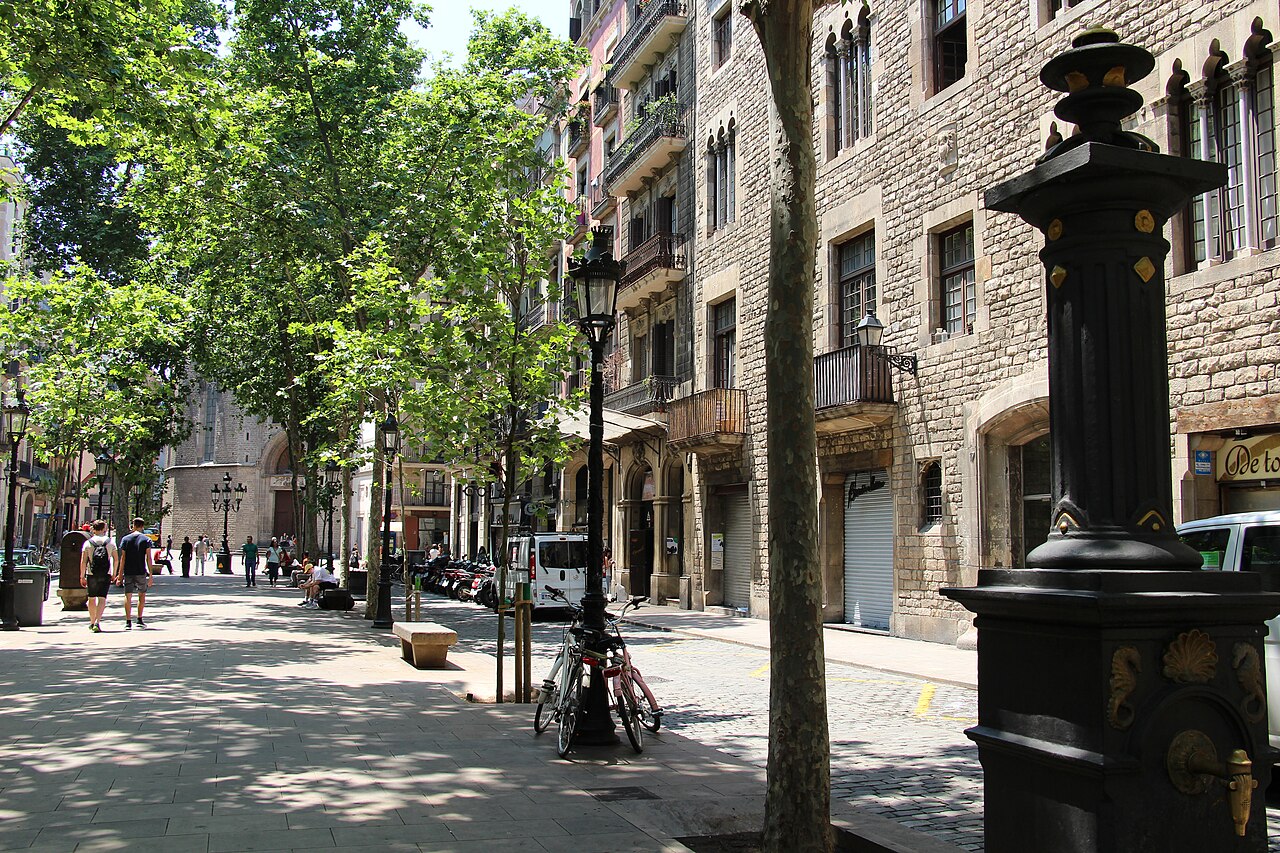
There is no verified quiet winner among these pockets. Choose the room, building and exact block—not a neighborhood stereotype.
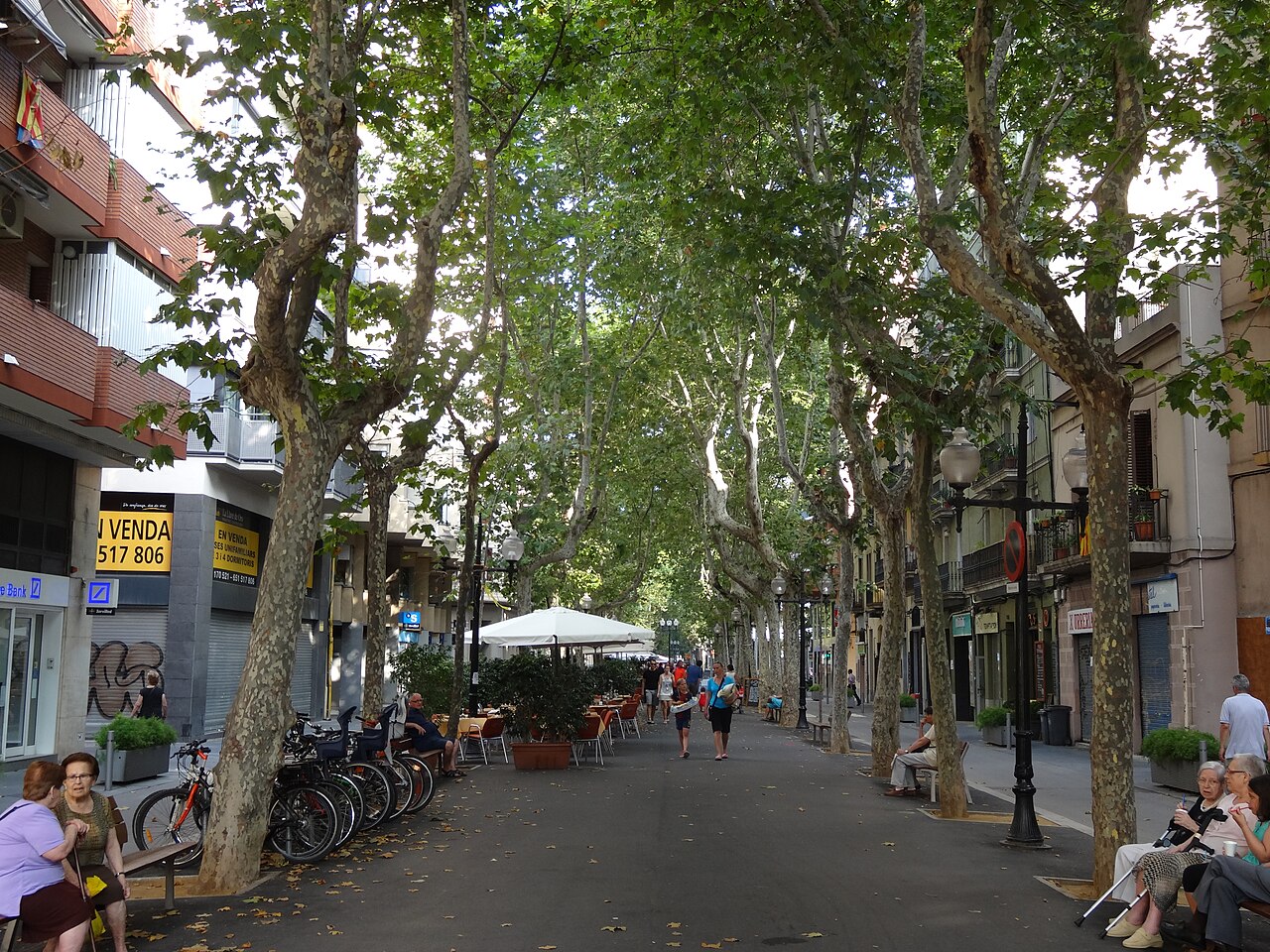
Choose between historic density, Gràcia squares and a more polished central restaurant base.
Compare a promenade-led Poblenou base with historic and central alternatives before prioritizing the coast.
Compare the Verdi corridor with Passeig de Gràcia and Consell de Cent.
Compare a culture-dense old-city stay with a longer neighborhood base organized around a coastal promenade.