GuideMadrid
Madrid first visit: royal squares, literary streets and the art district
The short answer
Build a first Madrid visit around contrasting areas: the royal quarter for monumental settings, Barrio de las Letras for literary streets, and the Prado–Retiro side for art and open space. Gran Vía adds a different urban scale. Choose a main experience each day instead of forcing every district into the same circuit.
The places side by side
| Place | In short |
|---|---|
| 1. Gran VíaStreet | Gran Vía: an introduction to metropolitan Madrid |
| 2. Plaza de Santa AnaNeighbourhood | Barrio de las Letras: follow a literary theme |
| 3. Museo del PradoLandmark stay | Prado Museum: anchor an art-focused day |
| 4. Palacio Real de MadridLandmark stay | Royal Palace: explore the monumental west |
| 5. Estación de AtochaMetro station | Atocha: connect arrival with the art district |
| 6. Parque del RetiroLandmark stay | El Retiro: give the park a real place in the day |
1. Gran Vía
Gran Vía: an introduction to metropolitan Madrid
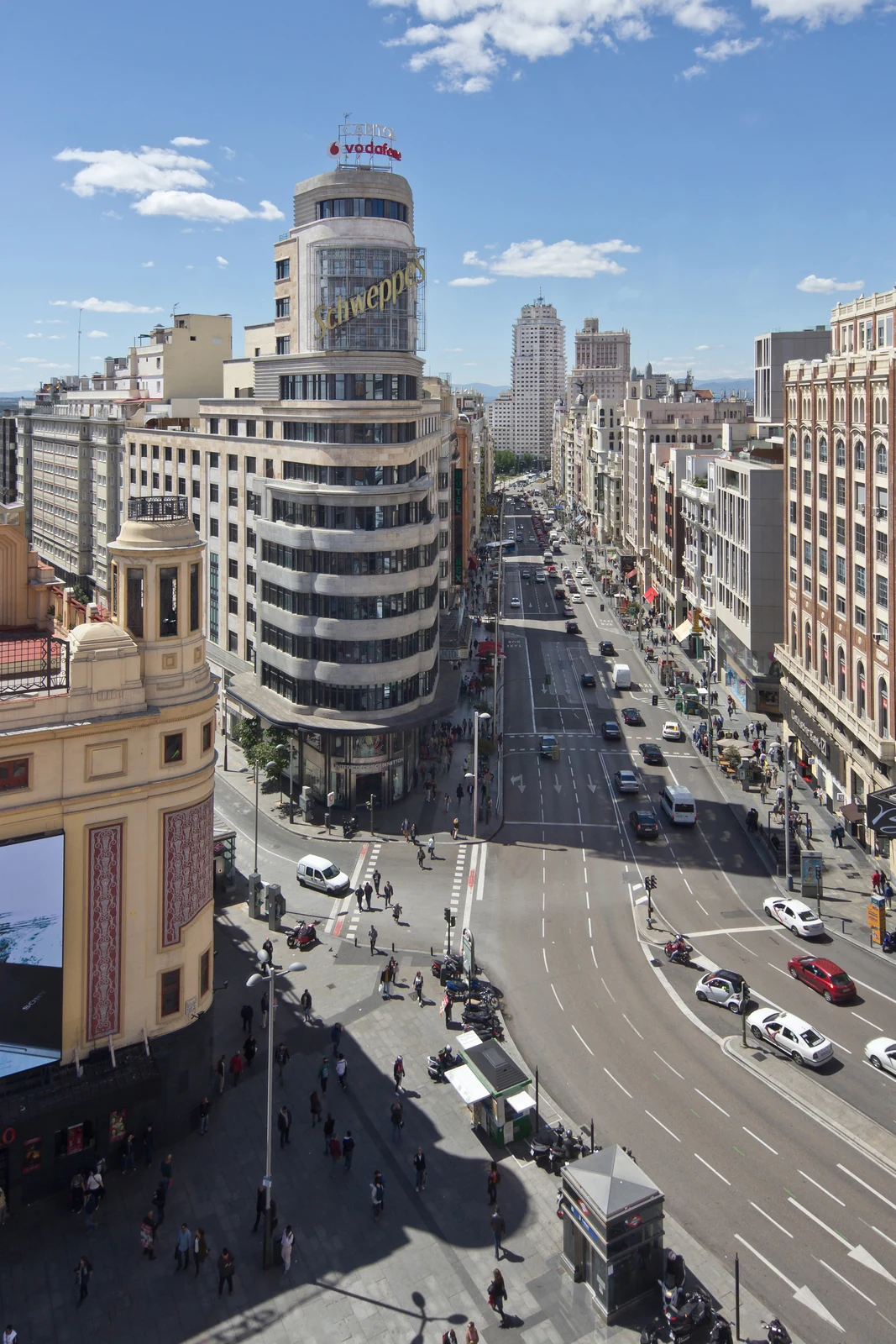
Gran Vía presents early twentieth-century Madrid through buildings such as Metrópolis, Carrión and Telefónica, alongside theatres and shops. The street’s metropolitan scale gives a first visit a clear contrast with the older squares of the Austrias area.
2. Plaza de Santa Ana
Barrio de las Letras: follow a literary theme
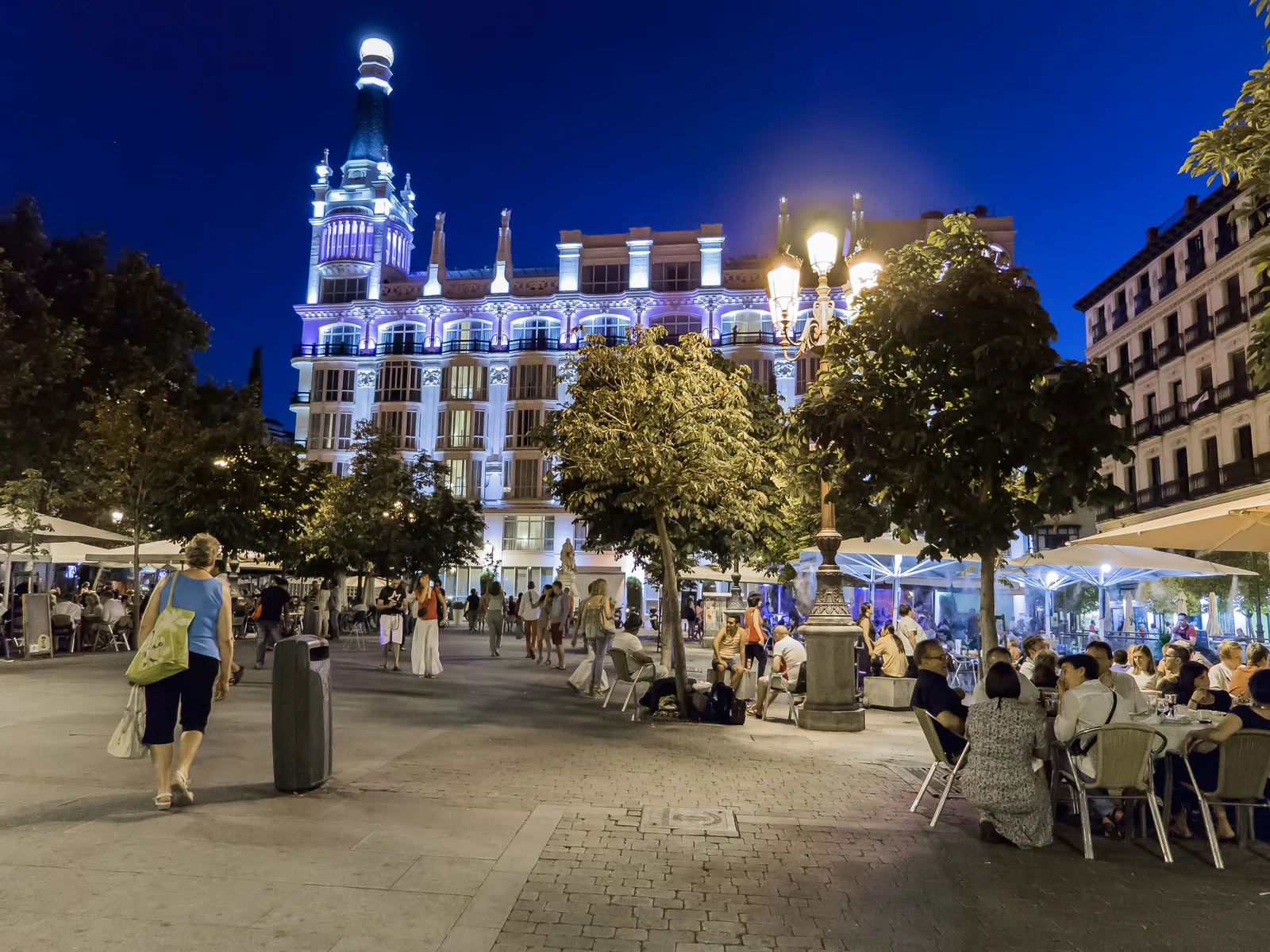
Explore the neighbourhood associated with writers of Spain’s Golden Age. Use its literary identity to give your walk a focus, then choose whether you want a specific cultural interior or simply time in its streets.
3. Museo del Prado
Prado Museum: anchor an art-focused day
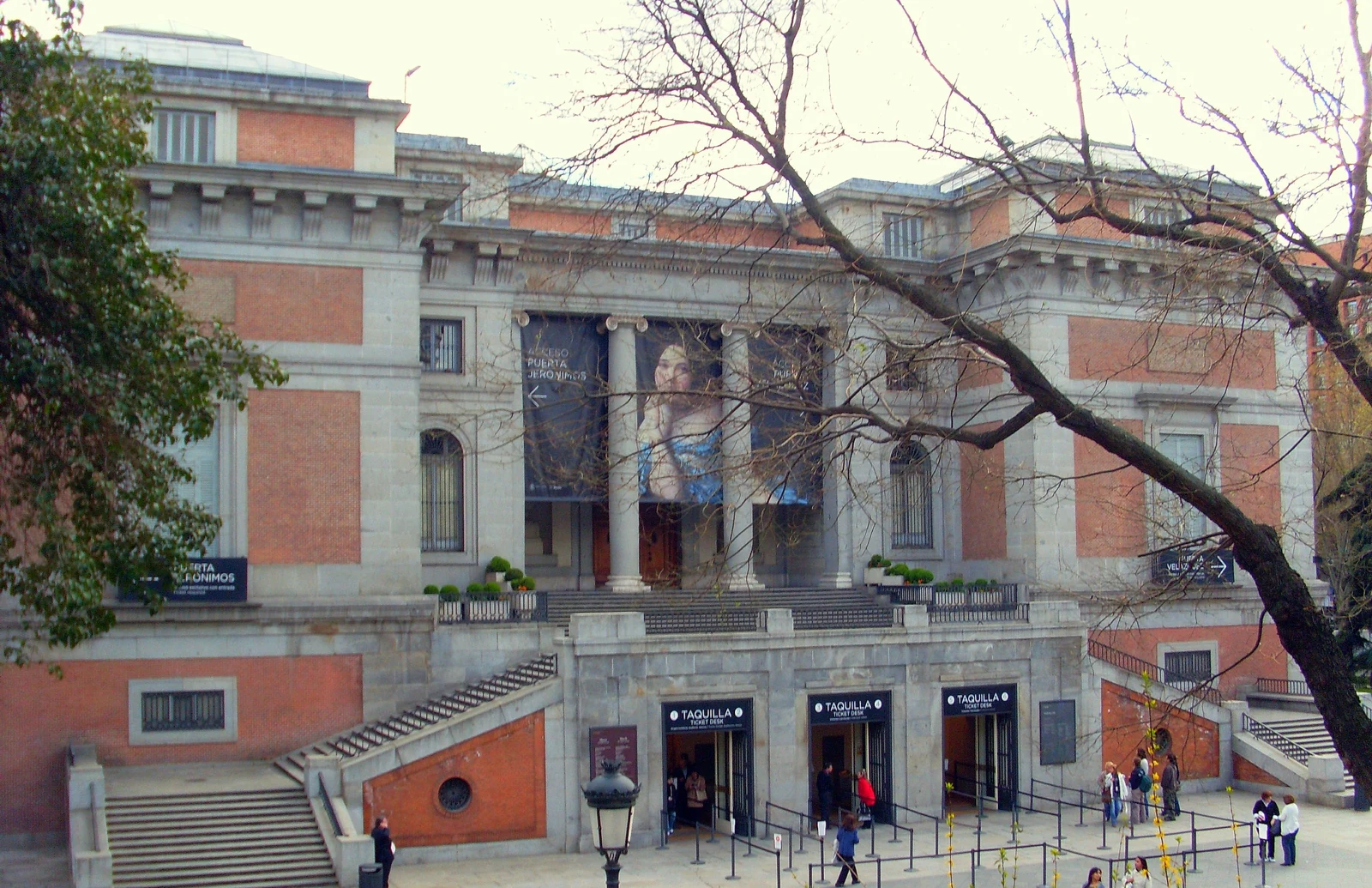
If painting is your priority, make the Prado the central commitment rather than an optional stop at the end of a long walk. Choose what you want to see before adding other museums to the plan.
4. Palacio Real de Madrid
Royal Palace: explore the monumental west
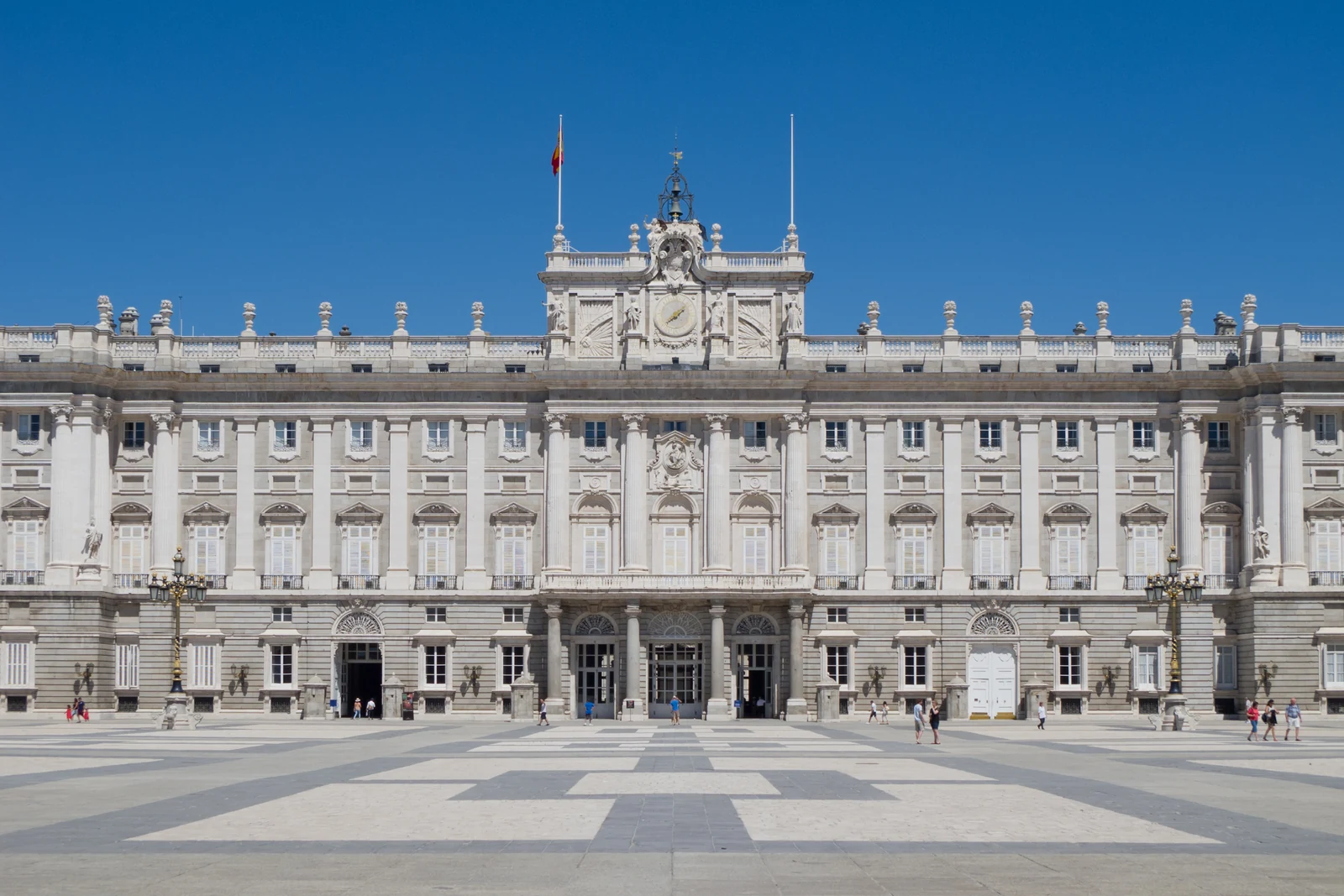
Use the Royal Palace as the focal point for the Austrias area. Decide whether your interest is in an interior visit or the surrounding urban setting, since these lead to different kinds of outing.
5. Estación de Atocha
Atocha: connect arrival with the art district
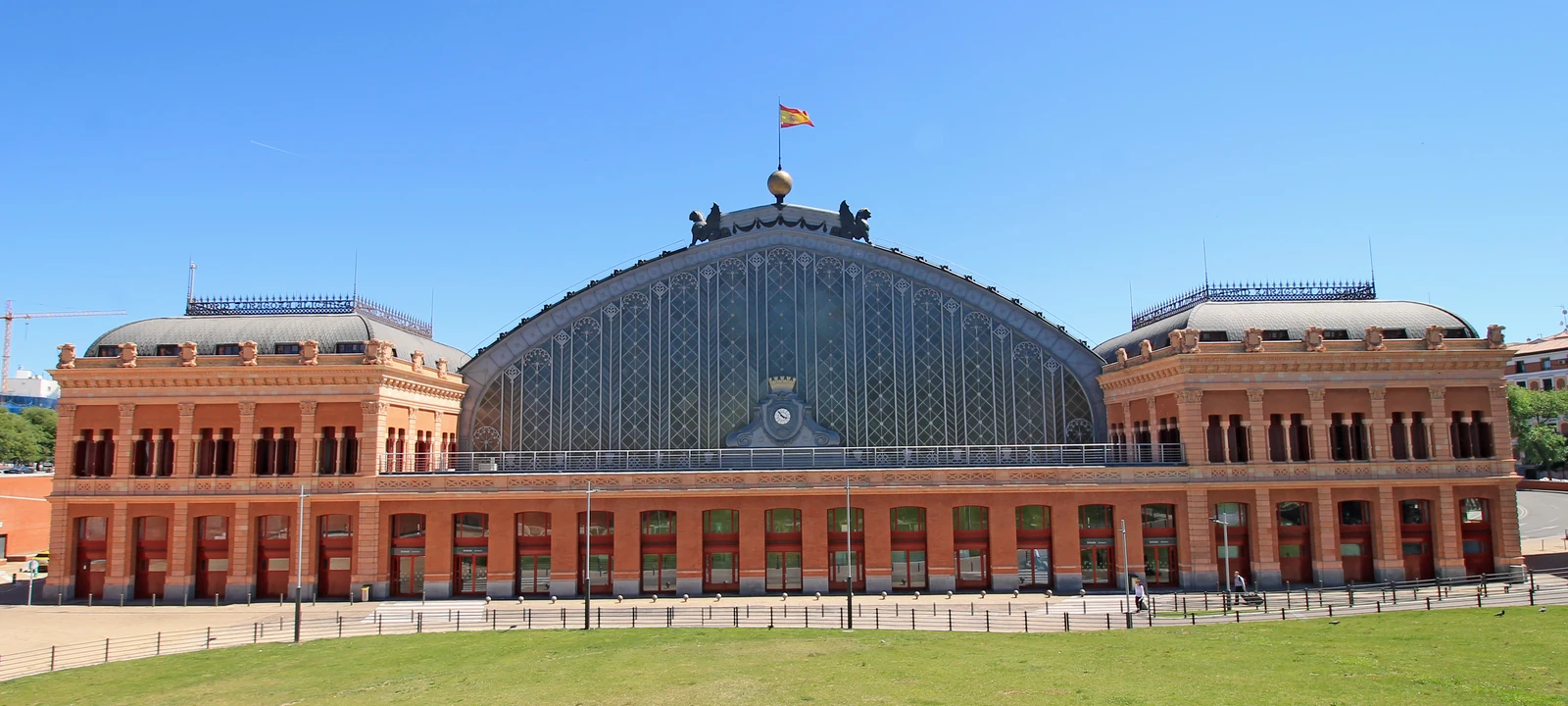
Atocha is a useful arrival reference for an outing on the art-district side of Madrid. Keep the railway task separate from sightseeing, and do not assume the station’s tropical garden can be entered.
6. Parque del Retiro
El Retiro: give the park a real place in the day
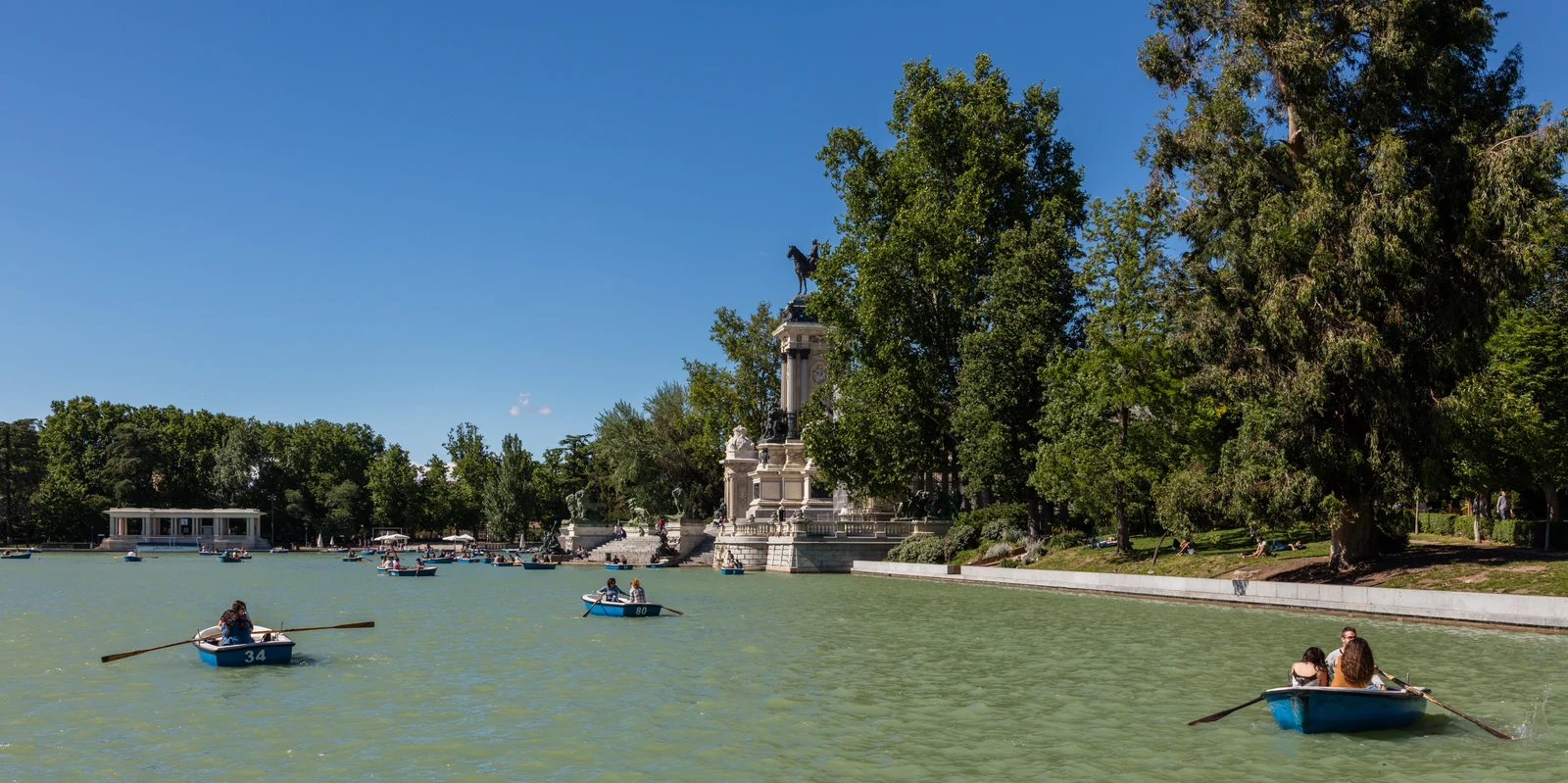
Choose a park outing when you want to move away from an interior-led schedule. Decide which part of El Retiro interests you instead of treating the whole park as a quick gap between museums.
Start with the experience you want
Madrid becomes easier to plan when the first decision is about the kind of visit rather than the longest list of landmarks. A palace interior, a collection of paintings and a literary neighbourhood ask for different kinds of attention. Select the experience you would most regret rushing, and organise the surrounding exploration around that choice.
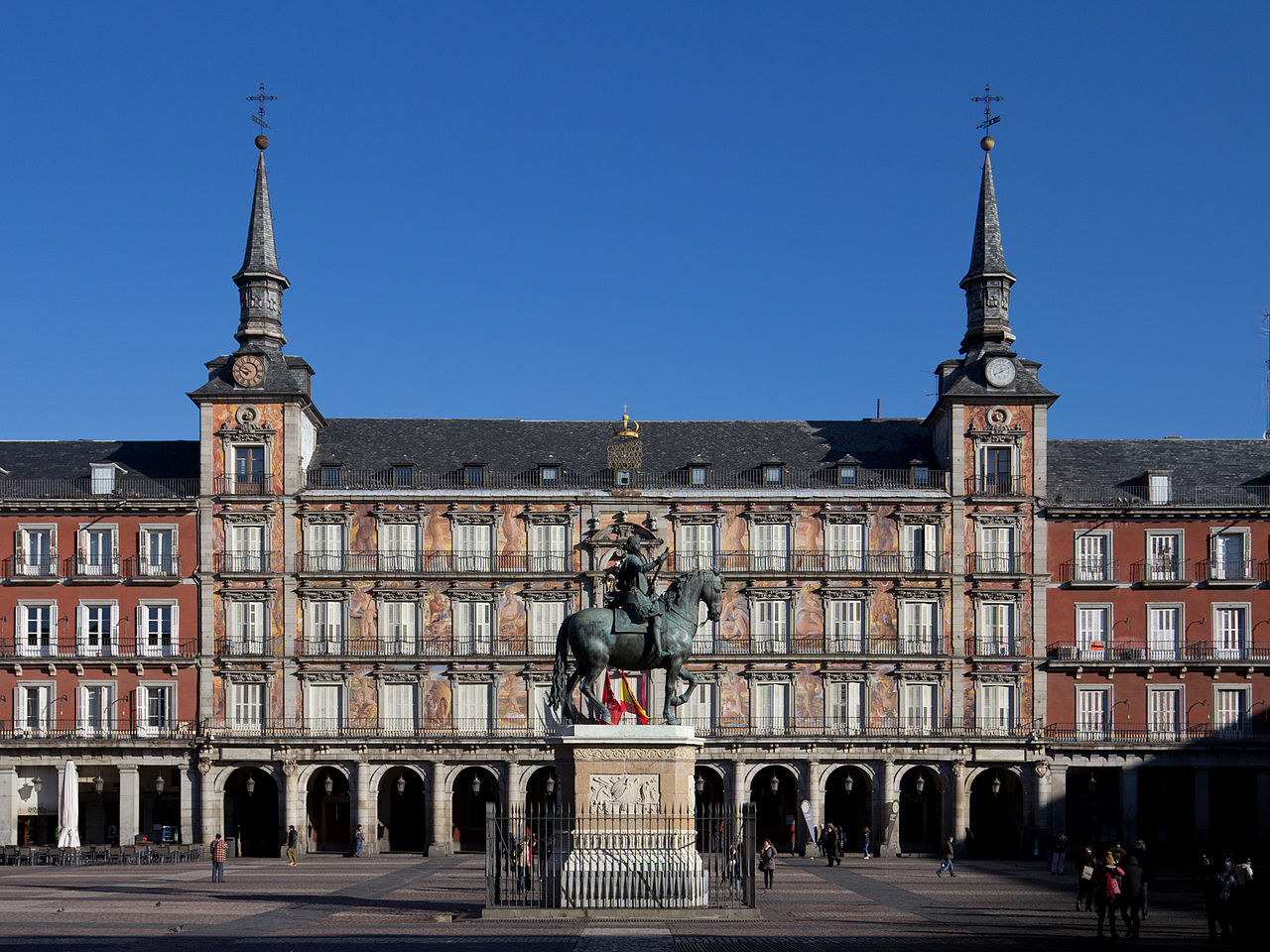
The Austrias area brings together Plaza Mayor, Plaza de la Villa and the Royal Palace setting. At Plaza de la Villa, Casa de la Villa, the Lujanes tower and Casa de Cisneros make the square an architectural subject of its own. Around the palace, Plaza de Oriente and Almudena Cathedral shift the scale towards a monumental ensemble. This is a useful historical introduction before moving to the very different streets of modern Madrid.
Combine art with streets, not just more art
After choosing the Prado, decide whether the next experience should be outdoors or in another collection. Paseo del Prado connects cultural institutions along a tree-lined boulevard; Retiro offers a park setting. Either can give the day a different rhythm, while adding another major museum demands a separate decision about your remaining attention.
In Barrio de las Letras, Calle Huertas carries literary quotations in its paving, while Plaza de Santa Ana faces Teatro Español and contains statues of Calderón de la Barca and Federico García Lorca. Those features give a literary walk concrete things to look for. Begin with the square, then use the quotations as prompts rather than trying to read the neighbourhood as a complete literary chronology. This can be a separate street-based outing when another major interior would overload the day.
Avoid the most common planning mismatch
Telefónica’s Gran Vía building was constructed during the twenties and opened in 1929. Its corporate history belongs to a different Madrid from the literary streets and royal squares: a city of communications infrastructure and large commercial buildings. Look at that contrast when moving between districts. The first-visit value lies in recognising these different urban chapters, not treating every landmark as another example of the same historic centre.
Check current admission and entrance information for the interior that matters most to you. For Atocha, Madrid’s official tourism page currently reports the tropical garden closed for works, so it should not be the promised highlight of an arrival. Leave flexible street exploration around fixed commitments, and end the day when you have enjoyed its main subject.
How we compared
This is an editorial selection of places to explore, checked against the official city tourism and municipal sources listed below. The proposed groupings are planning suggestions, not measured walking routes or on-site inspections. Interior visits depend on current admission arrangements; check the attraction directly before building a day around entry.
- Mapped venue counts do not measure noise. Noise-risk ratings, formula-based walking times and unverified transit classifications are not shown.
- Distances are straight lines from the guide anchor, not walking routes or journey times.
- Elevations are sampled ground heights, not route ascent. Terrain models have limited resolution.
Questions and answers
Which part of Madrid suits an art-first visit?
Start with the Prado or another museum you specifically want to explore, then consider Paseo del Prado or Retiro as an outdoor complement rather than automatically adding more collections.
What makes Barrio de las Letras different?
Its association with Golden Age writers gives it a literary focus. That offers a distinct subject from royal architecture, major museums or the commercial scale of Gran Vía.
Must a first visit include every place in this guide?
No. Select the experiences that matter to you and divide them into coherent outings. The collection is an orientation tool, not a completion challenge or a timed circuit.


