GuideBarcelona
Barcelona by day: architecture, public spaces and neighbourhood walks

The short answer
Choose a theme before choosing a route: public-space design on Passeig de Gràcia, layers of history in the Gothic Quarter, or the park and market setting of Sants. This collection is about what to look at by day, with alternatives for extending a walk without turning it into a citywide race.
The places side by side
| Place | In short |
|---|---|
| 1. Barcelona SantsMetro station | Sants: industrial heritage in public space |
| 2. Sagrada FamíliaLandmark stay | Sagrada Família: study a single landmark |
| 3. Plaça de CatalunyaSquare | Plaça de Catalunya: sculpture and orientation |
| 4. Passeig de GràciaStreet | Passeig de Gràcia: look beyond the landmark houses |
| 5. el Barri GòticNeighbourhood | Gothic Quarter: compare enclosed and open spaces |
| 6. La RamblaStreet | La Rambla: a cultural promenade |
1. Barcelona Sants
Sants: industrial heritage in public space
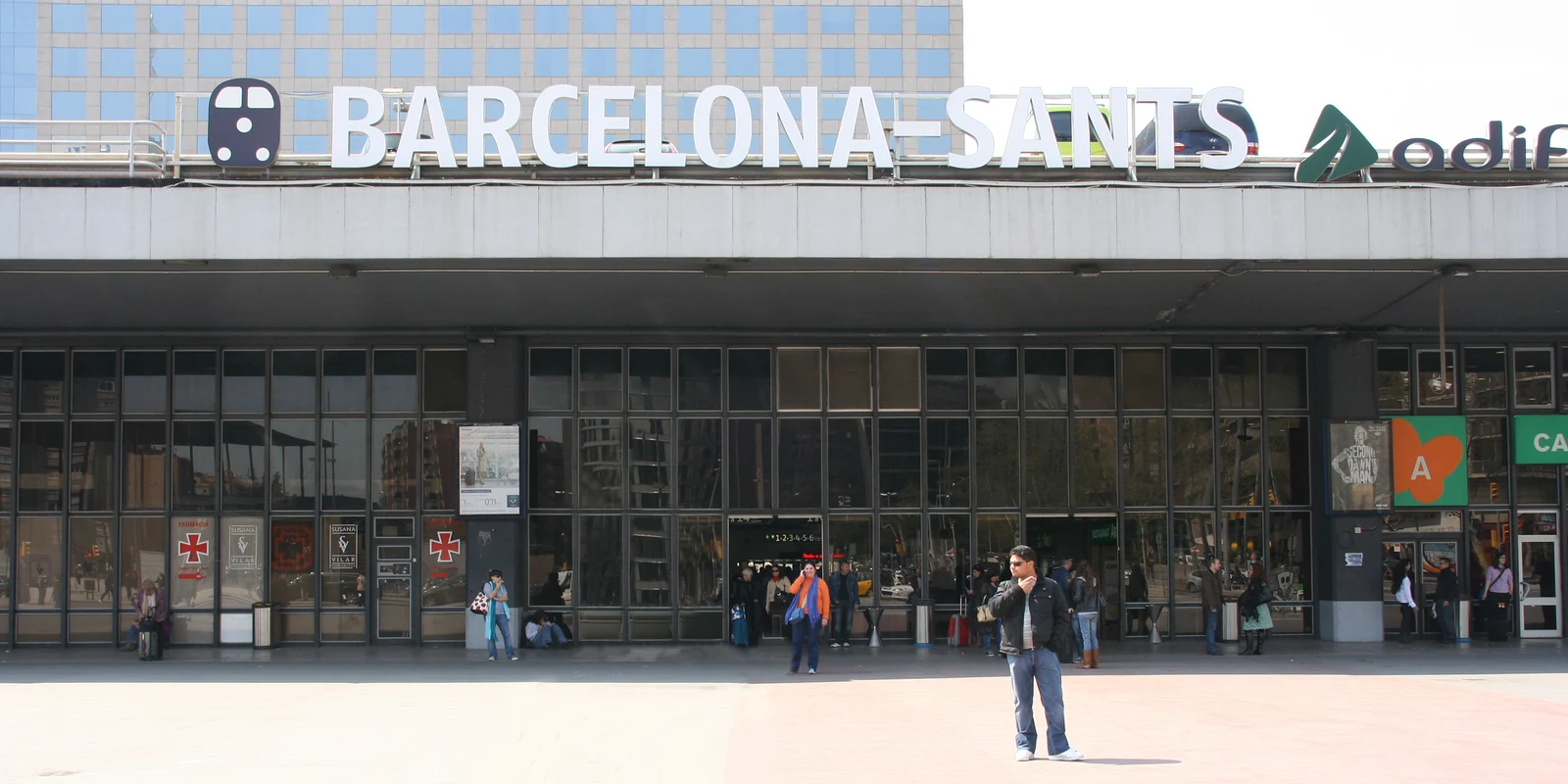
Use the Parc de l’Espanya Industrial as the subject of a neighbourhood outing. Its former industrial setting offers a different way to read Barcelona from the monumental architecture of the central visitor circuit.
2. Sagrada Família
Sagrada Família: study a single landmark
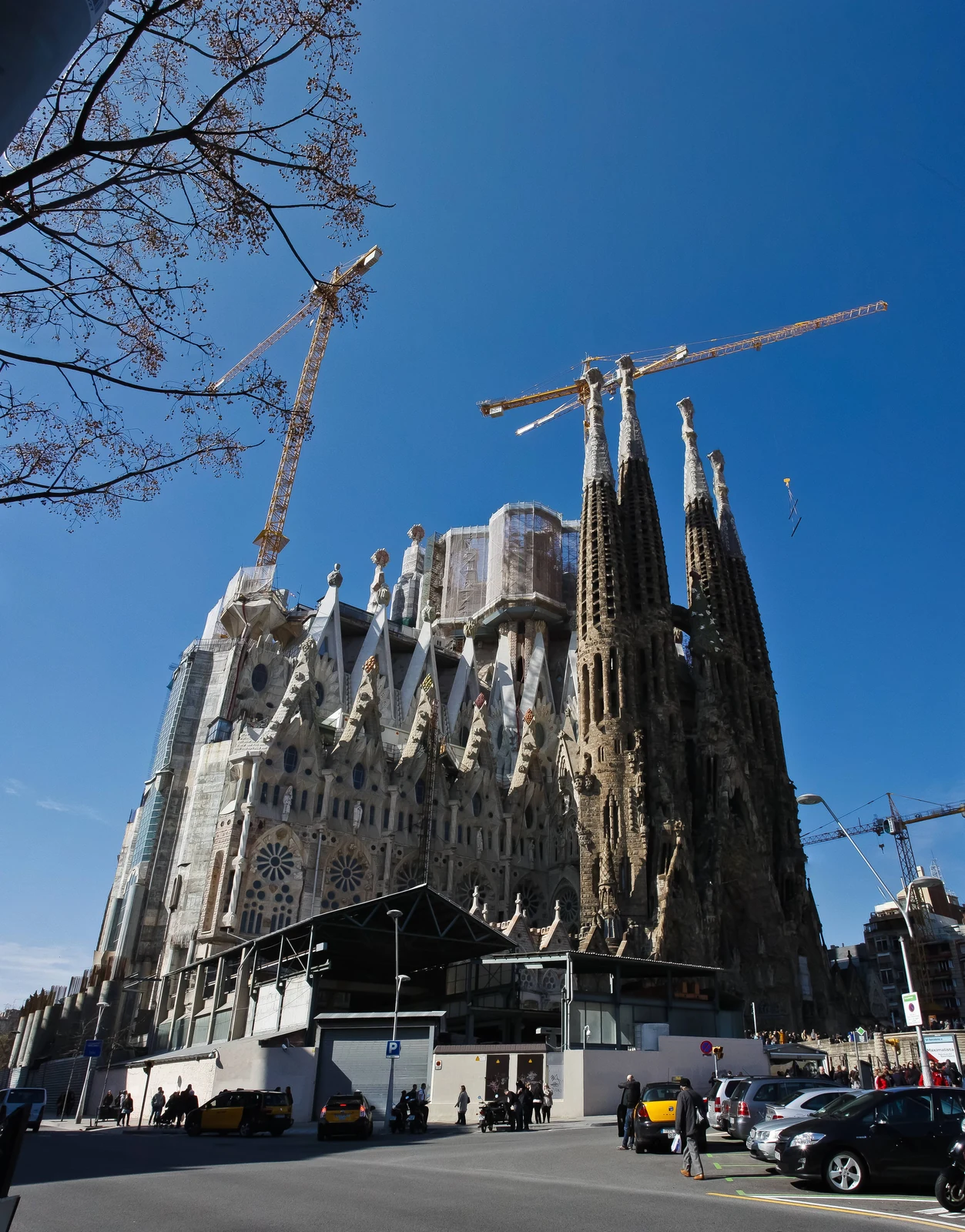
Choose the basilica when you want to concentrate on Gaudí rather than compare many architects in quick succession. Plan whether the experience will be an exterior observation or a separately arranged interior visit.
3. Plaça de Catalunya
Plaça de Catalunya: sculpture and orientation
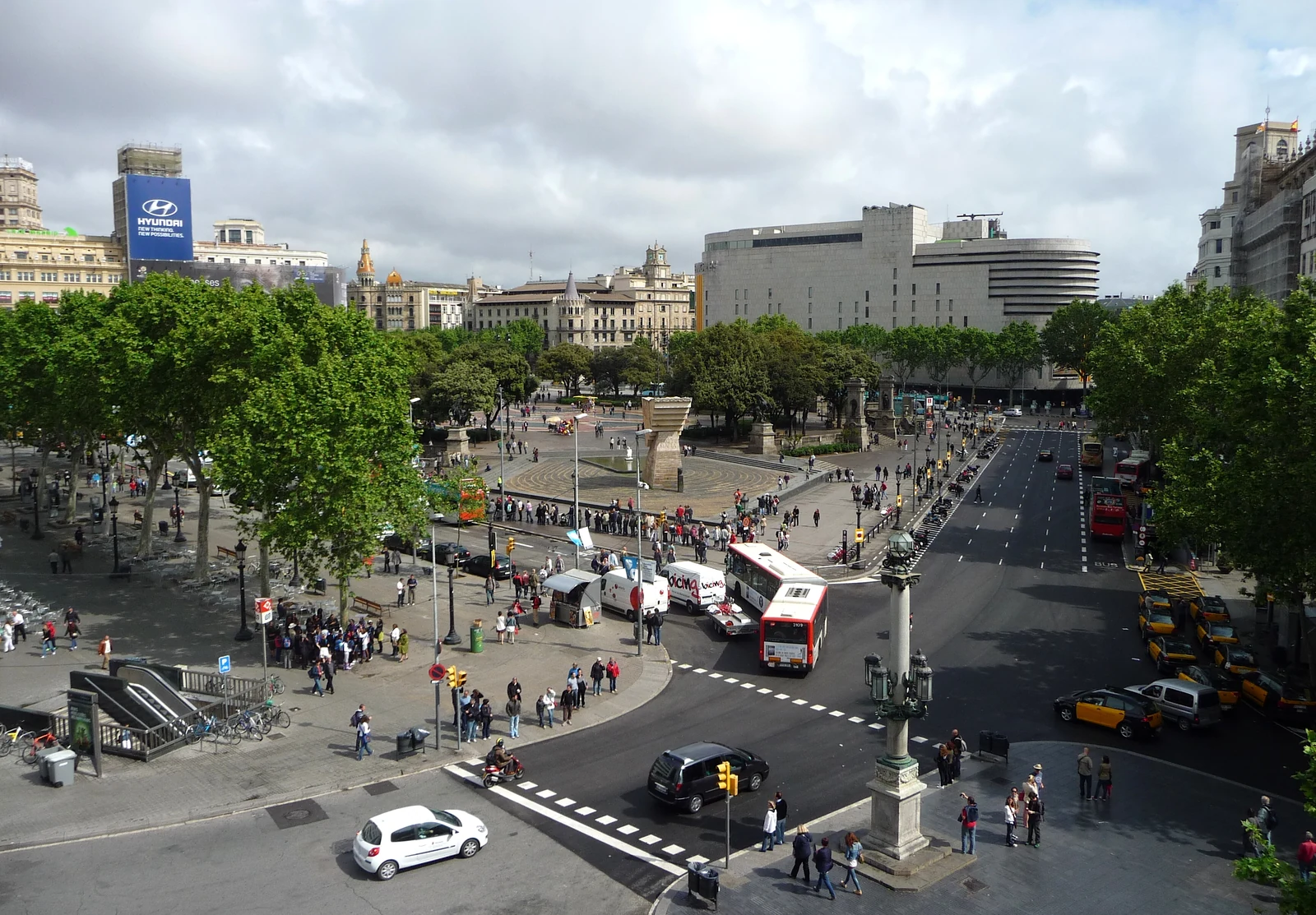
Treat the square as public space rather than only a crossing. Look for its sculptures and the Francesc Macià monument, then choose the next district deliberately instead of following the largest flow of pedestrians.
4. Passeig de Gràcia
Passeig de Gràcia: look beyond the landmark houses
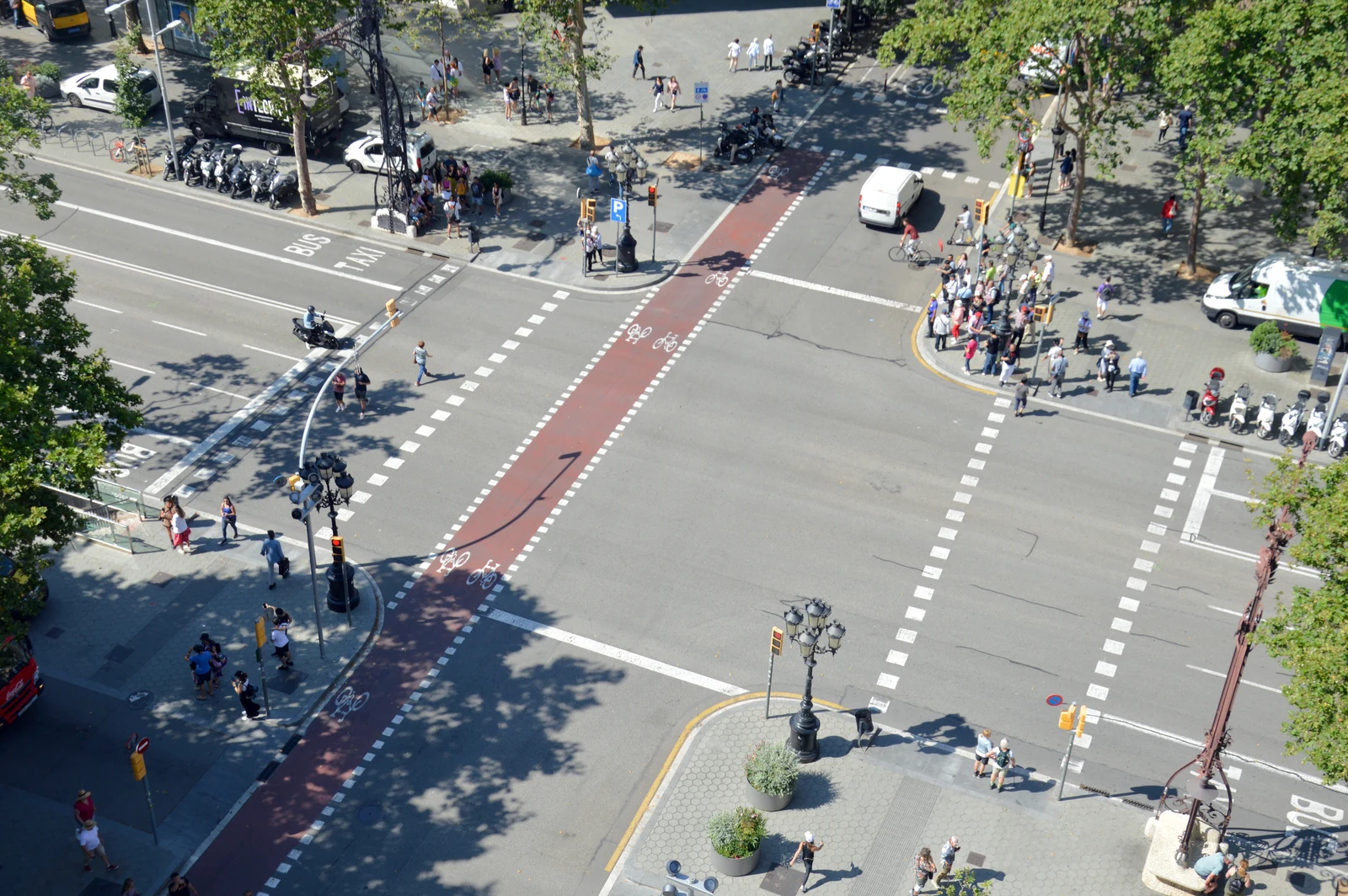
Spend time observing the pavement, lamps and benches as well as the façades. Make a small visual study of a chosen detail, such as materials or curves, rather than trying to catalogue everything.
5. el Barri Gòtic
Gothic Quarter: compare enclosed and open spaces
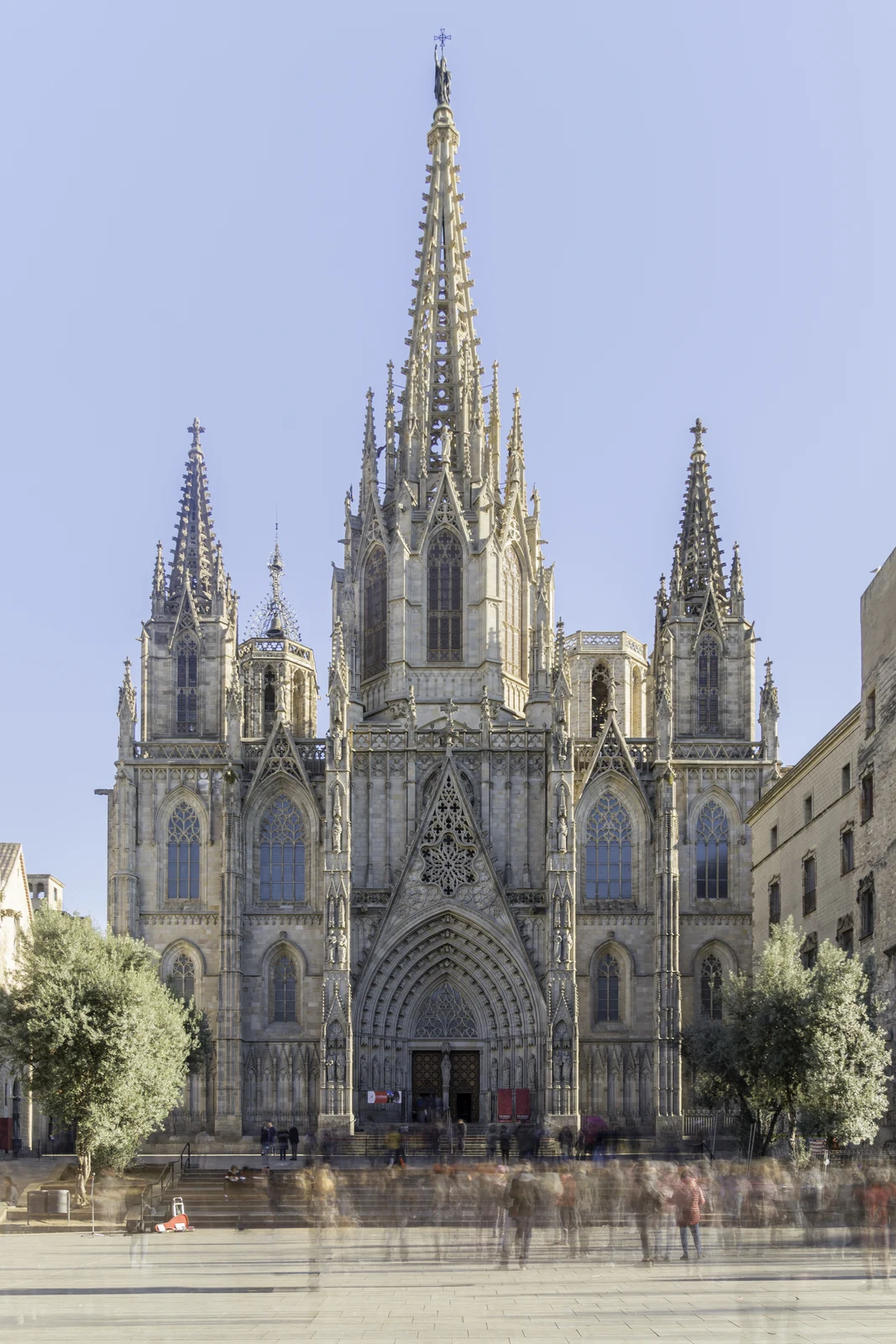
Follow the relationship between lanes and squares around the cathedral and Plaça de Sant Jaume. A visit focused on street shape can be rewarding even when you are not planning a museum or church interior.
6. La Rambla
La Rambla: a cultural promenade
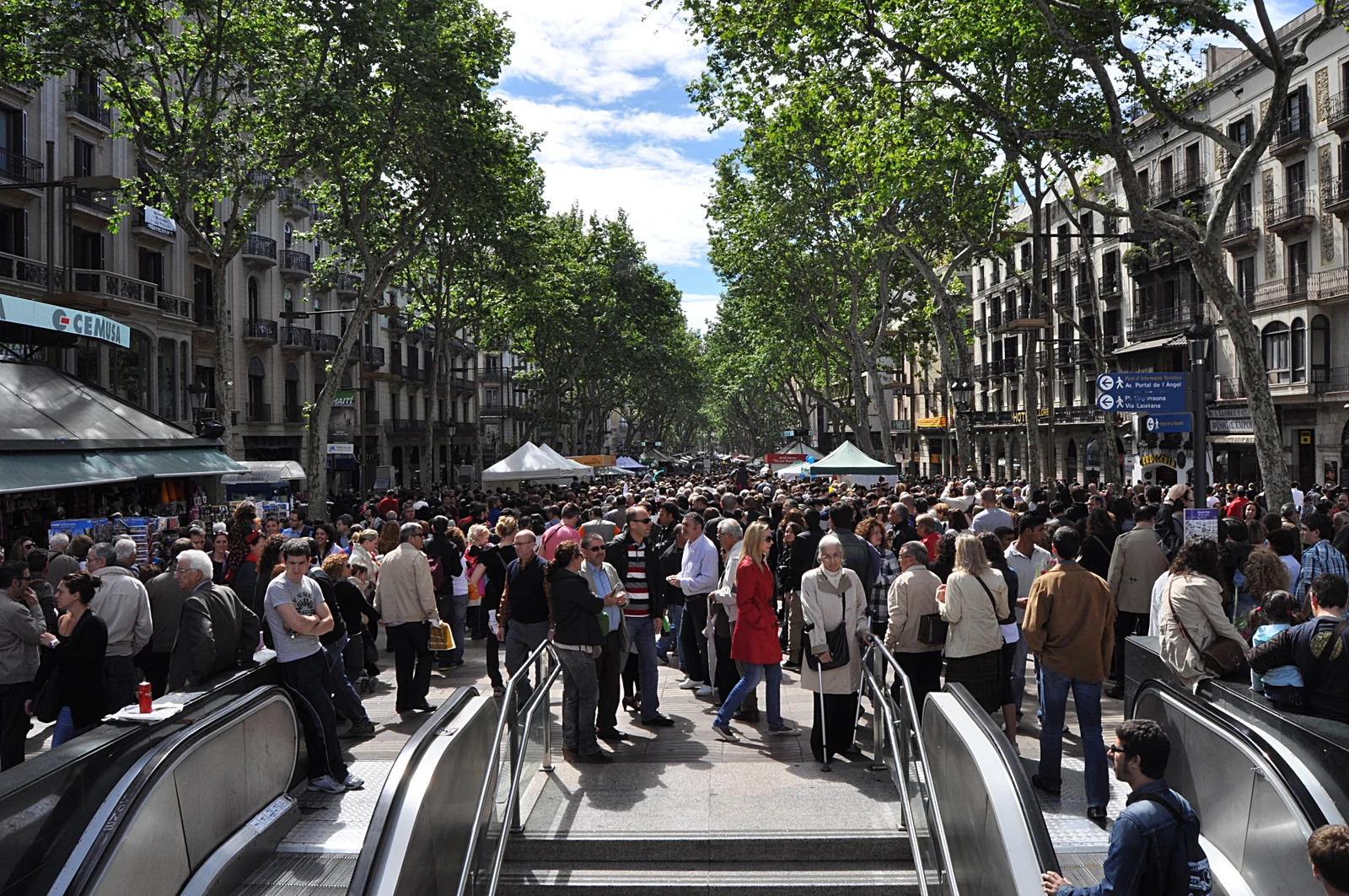
Use the Liceu, Palau de la Virreina and Boqueria as reference points for a daytime exploration. Pick the cultural or market stop that interests you rather than assuming all interiors belong in the same outing.
A walk with something specific to notice
Casa Amatller offers a close-looking exercise on Passeig de Gràcia. Its Dutch-inspired façade combines ceramic decoration with sculptural work by Eusebi Arnau. The municipal account identifies Sant Jordi fighting the dragon and references to the owner’s chocolate-making business in the entrance decoration. Here the building communicates both Catalan cultural imagery and a family trade. Those details make a useful contrast with a walk concerned only with rooflines and overall silhouettes.
For a contrasting outing, take the same question into the Gothic Quarter. Here the relationship between a narrow street and the square it opens onto can become the main subject. Pause where there is space to do so, and keep doorways and passages clear while looking or taking photographs.
Choose between a park setting and a cultural street
Sants offers an industrial-history lens through a former factory site now used as Parc de l’Espanya Industrial. The municipal account describes its lake and metal dragon. Consider those features as parts of a designed public landscape: how does a neighbourhood reuse land once occupied by industry? That question gives the outing a purpose beyond simply finding a park.
For another example of reused urban land, Parc de Joan Miró occupies the former municipal slaughterhouse site, hence its alternative name Parc de l’Escorxador. The tourism board describes the park as occupying a group of Eixample blocks and credits a team led by Beth Galí. Compare that story with Espanya Industrial: the outing becomes about what the city did with obsolete working sites, rather than simply moving from one green area to another.
Build a day with a clear stopping point
A public-space day can therefore take different forms. Follow the Amatller details and Passeig de Gràcia street furniture for a decorative-arts theme, or put Espanya Industrial and Joan Miró parks on your list for a land-reuse theme. The first is about looking closely at surfaces; the second is about understanding changes in the city’s fabric. Keep these as alternative outings instead of combining every place into an undifferentiated circuit.
If Sagrada Família is the main attraction, arrange that visit independently rather than treating it as another façade on the same promenade. In every case, a useful stopping rule is to finish once you have explored the theme you chose. There is no requirement to exhaust the list or visit every linked place.
How we compared
This is an editorial selection of places to explore, checked against the official city tourism and municipal sources listed below. The proposed groupings are planning suggestions, not measured walking routes or on-site inspections. Interior visits depend on current admission arrangements; check the attraction directly before building a day around entry.
- Mapped venue counts do not measure noise. Noise-risk ratings, formula-based walking times and unverified transit classifications are not shown.
- Distances are straight lines from the guide anchor, not walking routes or journey times.
- Elevations are sampled ground heights, not route ascent. Terrain models have limited resolution.
Questions and answers
Which option focuses most on street design?
Passeig de Gràcia allows you to examine street furniture and paving alongside architecture. Choose a specific feature to compare so the walk becomes more than a sequence of façades.
Can I follow these ideas without entering attractions?
Yes. Public streets and exterior observations are central to these suggestions. Particular buildings, exhibitions and enclosed grounds may have their own access arrangements, which should be checked separately.
Does a daytime guide imply quiet or empty places?
No. The selection describes subjects for exploration, not measured sound or crowd levels. Choose according to your interests and adapt the walk to the conditions you encounter.


