GuideBarcelona
Barcelona first visit: old-town lanes and Modernista landmarks

The short answer
Start with the contrast between the Gothic Quarter and Passeig de Gràcia, using Plaça de Catalunya to understand how the old town meets the Eixample. Give Sagrada Família its own place in the itinerary. These stops introduce different parts of Barcelona rather than a checklist to complete in a single walk.
The places side by side
| Place | In short |
|---|---|
| 1. Sagrada FamíliaLandmark stay | Sagrada Família: a dedicated architecture stop |
| 2. Passeig de GràciaStreet | Passeig de Gràcia: compare façades |
| 3. La RamblaStreet | La Rambla: a line through the old town |
| 4. Plaça de CatalunyaSquare | Plaça de Catalunya: understand the city layout |
| 5. el Barri GòticNeighbourhood | Gothic Quarter: follow streets into squares |
| 6. Barcelona SantsMetro station | Sants: add a neighbourhood contrast |
1. Sagrada Família
Sagrada Família: a dedicated architecture stop
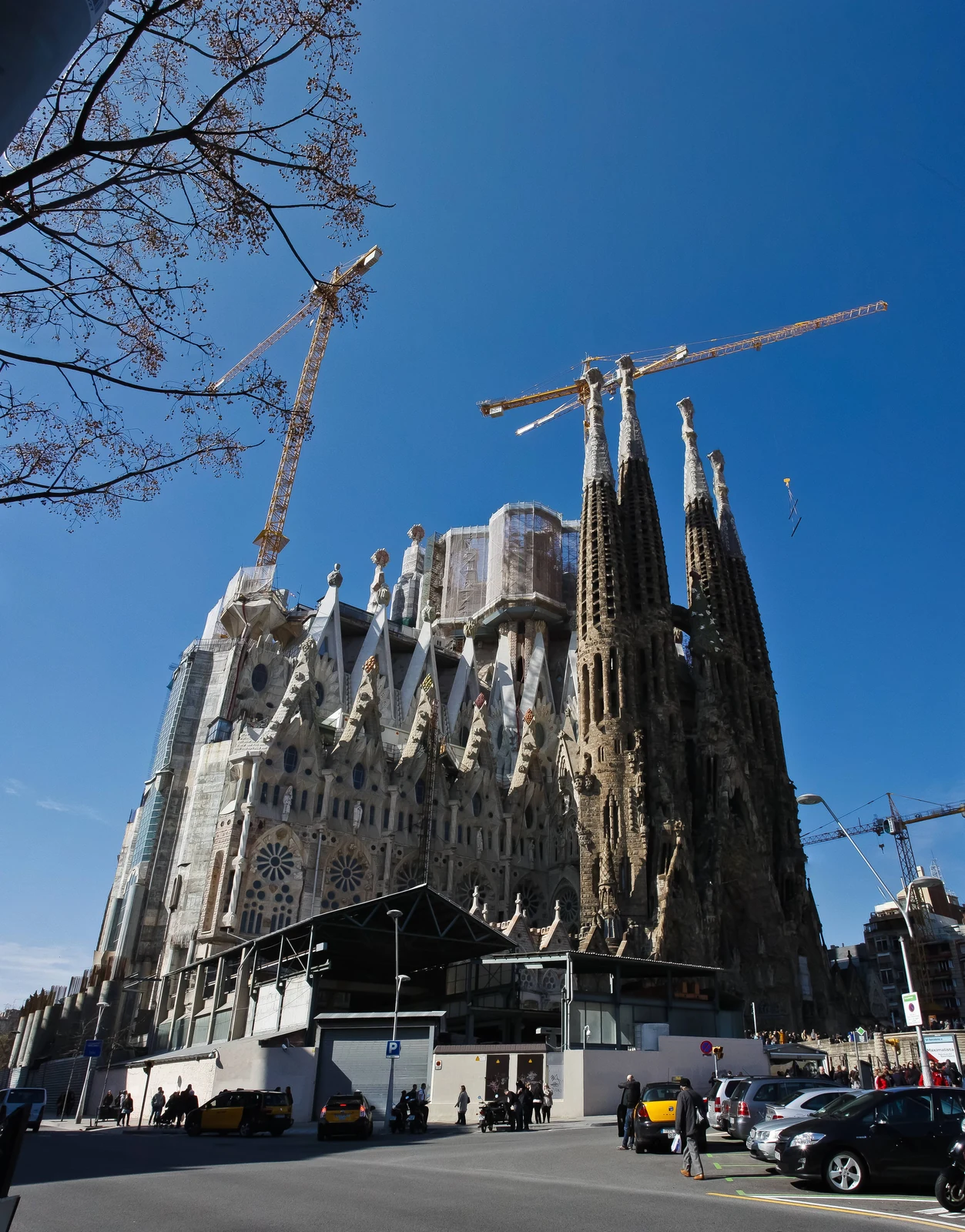
Make Gaudí’s basilica a deliberate visit rather than an extra stop squeezed between old-town sights. Decide whether you want an interior visit before arranging the rest of that part of your day.
2. Passeig de Gràcia
Passeig de Gràcia: compare façades
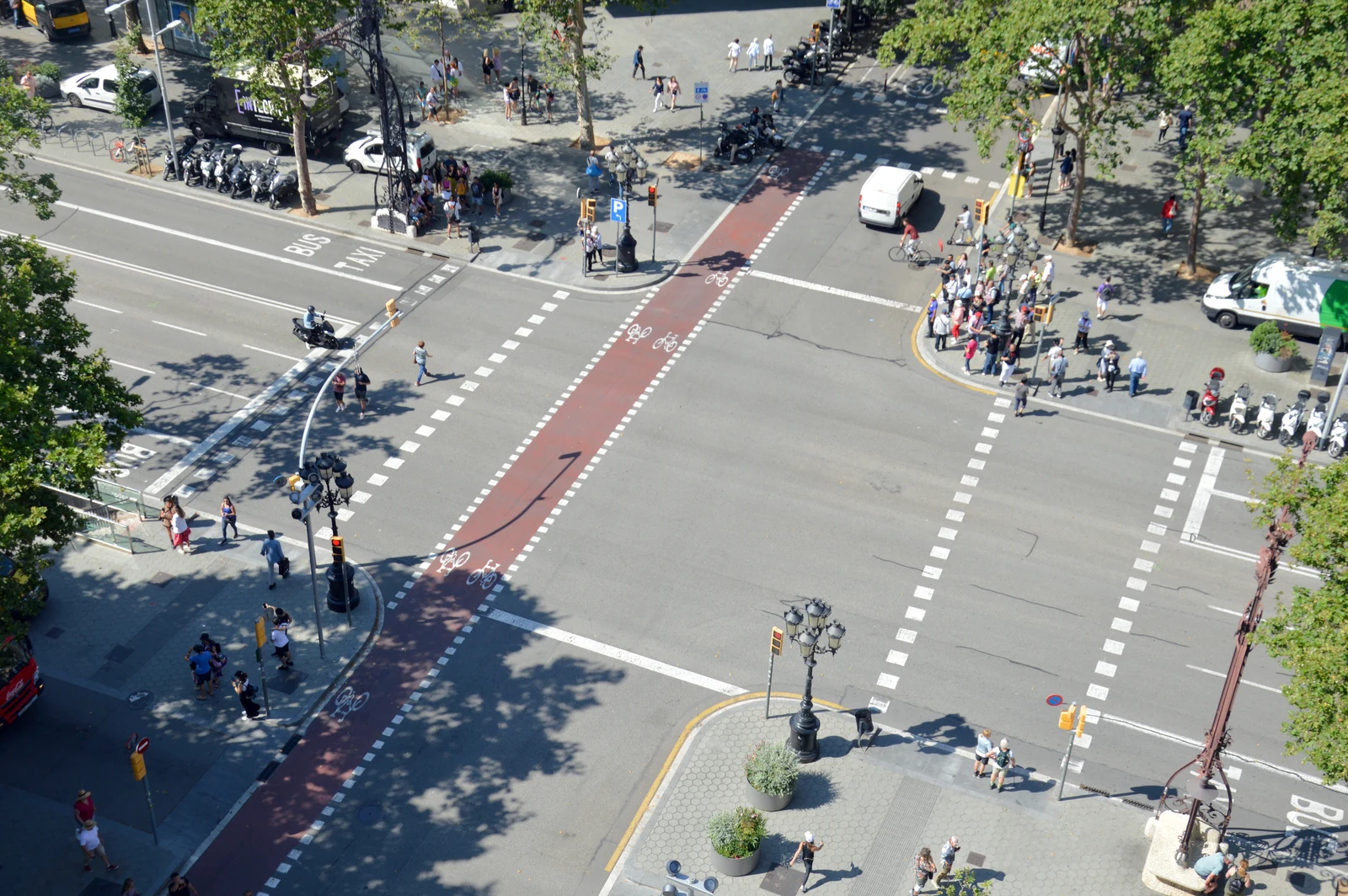
Casa Batlló by Gaudí, Casa Amatller by Puig i Cadafalch and Casa Lleó Morera by Domènech i Montaner bring different architectural voices to Passeig de Gràcia. Compare them as neighbours rather than treating Modernisme as the work of a single architect.
3. La Rambla
La Rambla: a line through the old town
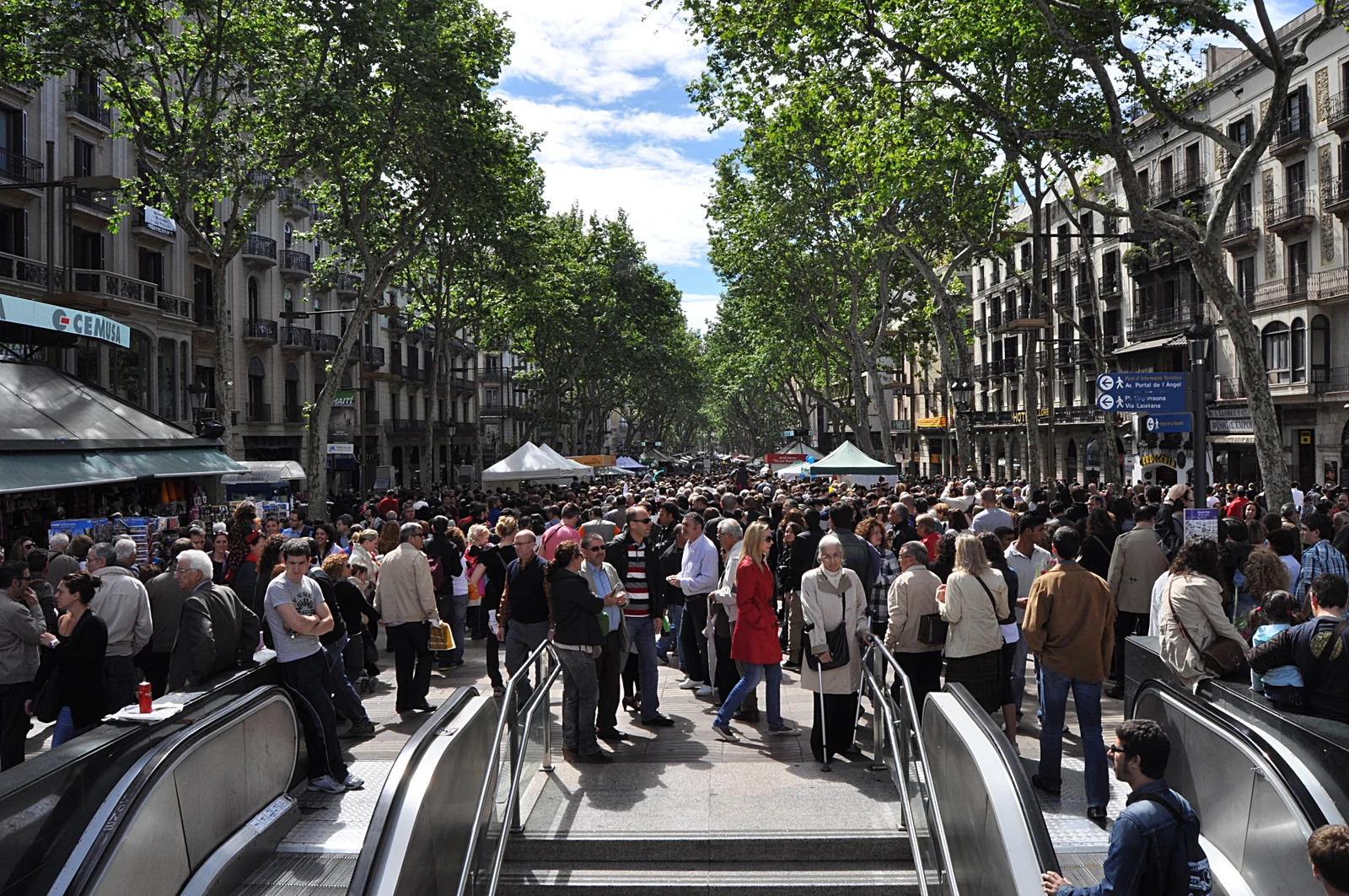
Use La Rambla to orient yourself around the Liceu and Boqueria rather than simply walking its length. Choose a landmark at which to leave the promenade and explore the surrounding streets.
4. Plaça de Catalunya
Plaça de Catalunya: understand the city layout
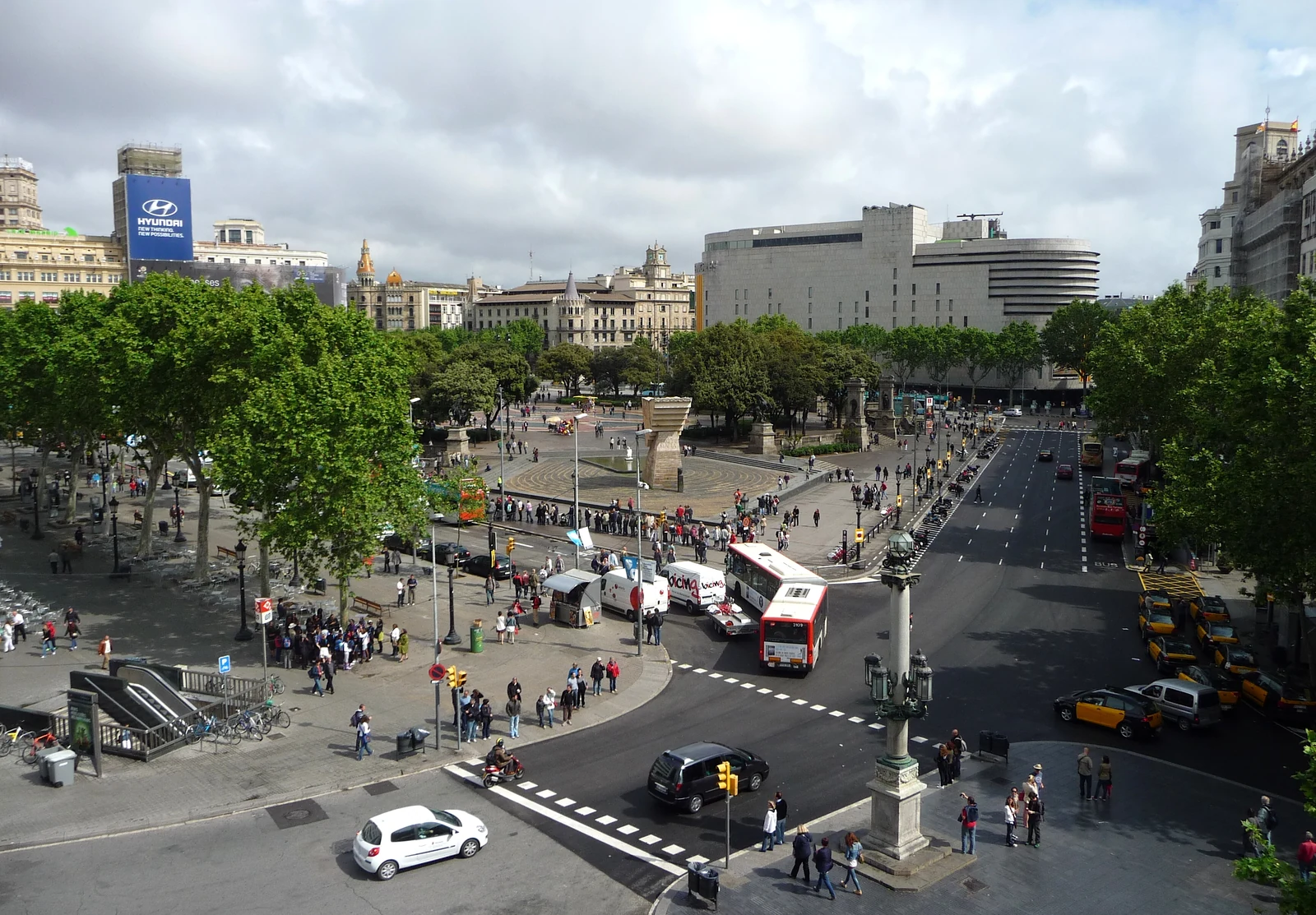
Pause here to distinguish the old-town side from the Eixample side before choosing a direction. The square is useful as a meeting point, but give your group a specific corner rather than its name alone.
5. el Barri Gòtic
Gothic Quarter: follow streets into squares
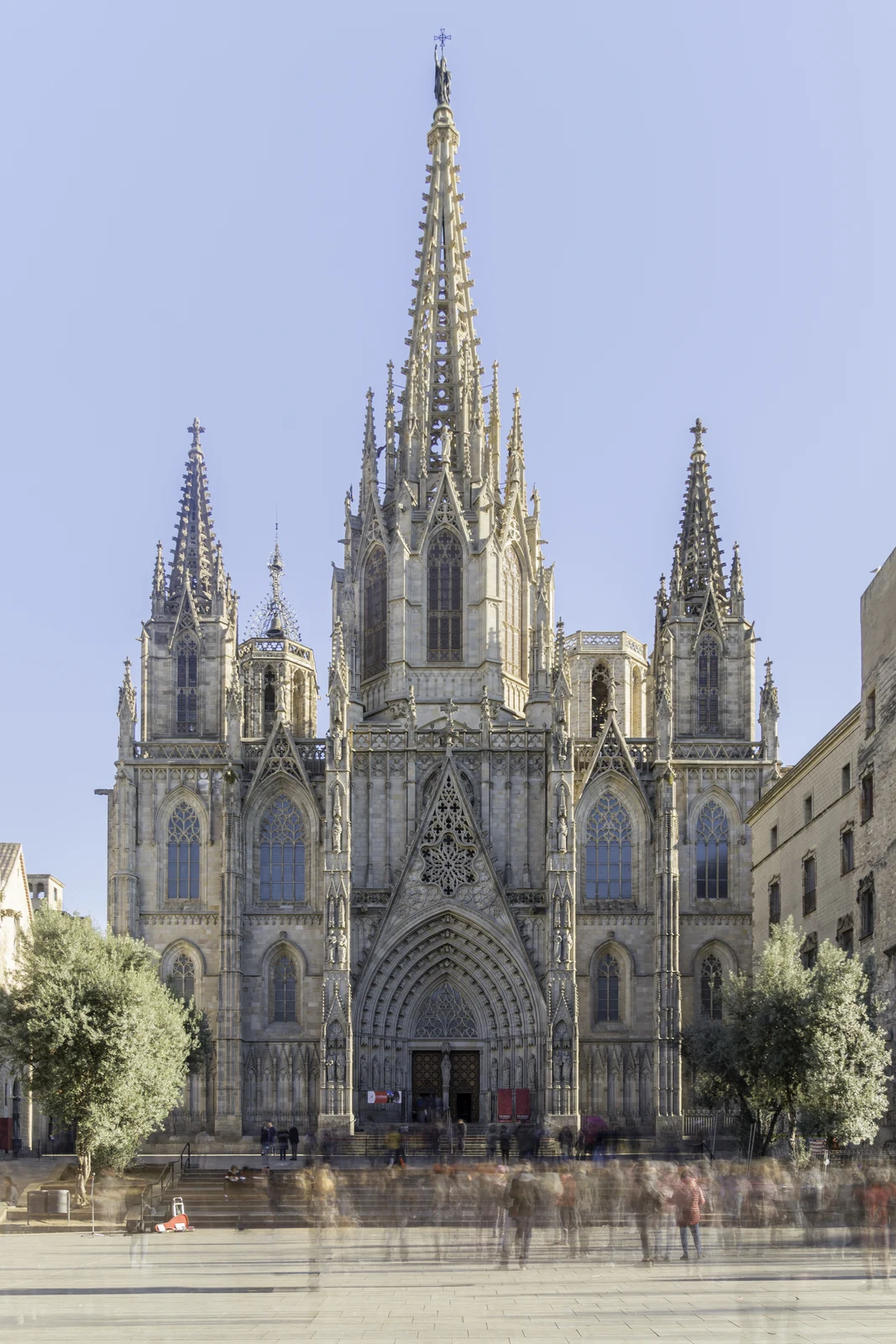
Build a short exploration around the cathedral and Plaça de Sant Jaume. Look for the change from narrow passages to public squares instead of trying to navigate by the cathedral silhouette alone.
6. Barcelona Sants
Sants: add a neighbourhood contrast
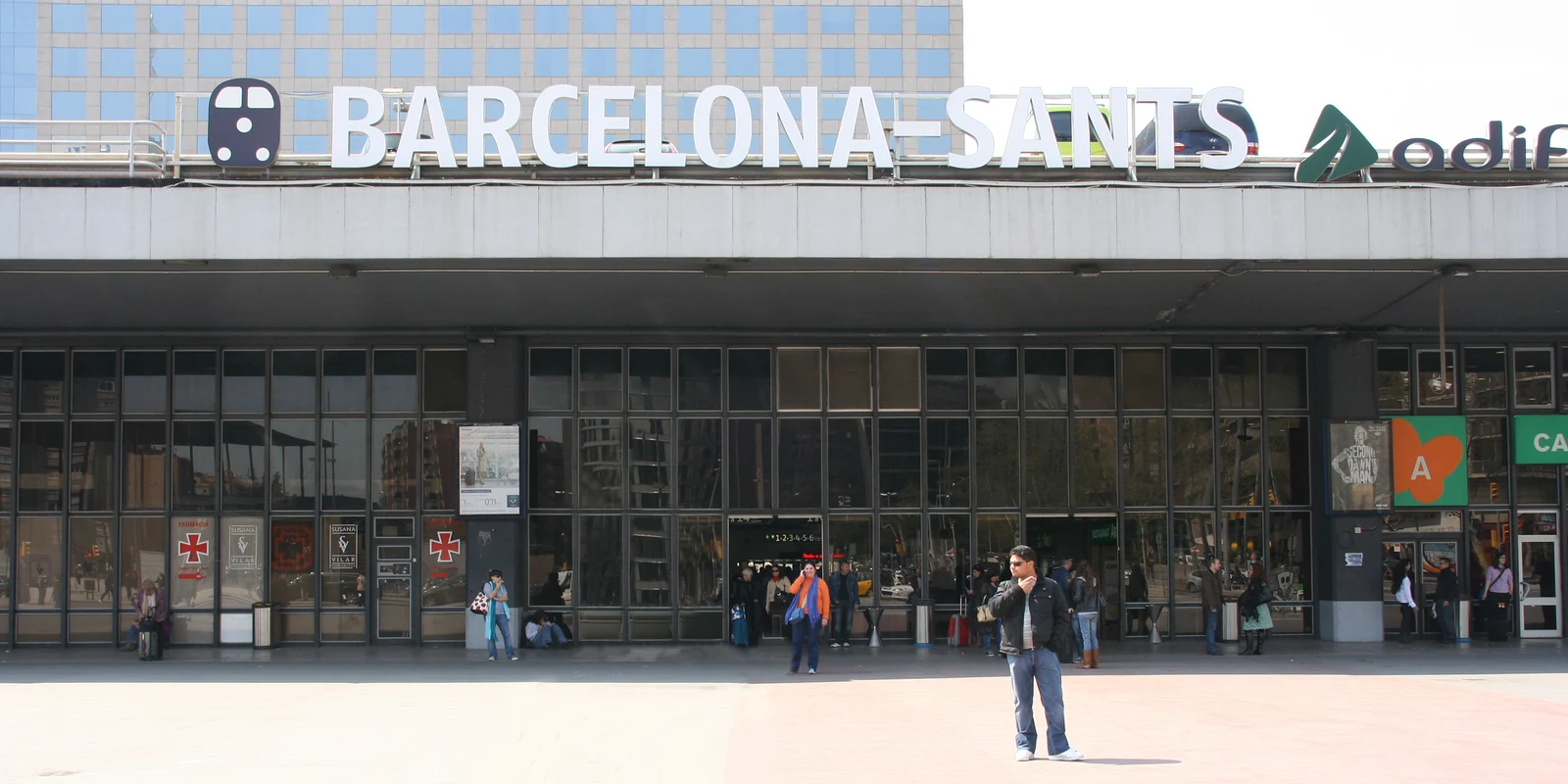
Include Sants if you want to look beyond the central monument circuit. Its markets and community spaces offer a different subject for a walk, especially when an arrival or departure already takes you there.
Choose an introduction, not an endurance route
For a first encounter, pair the Gothic Quarter with La Rambla and leave Passeig de Gràcia for a separate outing if you want to visit a building. A façade walk and an interior visit are different activities: the latter should shape the schedule, not be treated as an interchangeable pause. This avoids spending the whole day moving between names without understanding what makes them distinct.
Barcelona’s Roman centre survives in the alignment of Carrer del Bisbe and Carrer Llibreteria, with remains of the Temple of Augustus nearby. The Gothic Quarter also contains the cathedral and the civic centre at Plaça de Sant Jaume. Reading those places together reveals successive layers rather than a district belonging to a single historical period: Roman street traces, medieval religious architecture and institutions that still function in the present.
Read the contrast between old and new Barcelona
The Eixample grew beyond the demolished city walls under the Cerdà plan. Its Quadrat d’Or, around Passeig de Gràcia between Carrer Aribau and Passeig de Sant Joan, concentrates the architecture commissioned by prosperous Barcelona families. That planned expansion explains why the contrast with the old town is more than a change of building style. The boulevard belongs to a new urban framework, while the Gothic Quarter carries forward older street patterns.
On Passeig de Gràcia, compare details rather than collecting identical front-on photographs. The tourism board identifies Gaudí’s paving and Pere Falqués’s lamps and mosaic benches as part of the street’s design. Look down and across the public space as well as up at the buildings. Leave room in your plan to stop when something catches your attention.
Make the final choice before you set out
Keep Sagrada Família as a named destination with its own visit plan; its architecture deserves more attention than a rushed photograph on the way elsewhere. If you prefer neighbourhood exploration, swap that visit for Sants rather than trying to append both. The useful question is which experience you would regret rushing.
For any booked interior, verify the entrance location and current admission instructions. This guide does not establish step-free routes or promise that every building can be entered spontaneously. Select your main visit first, then treat nearby streets as flexible exploration rather than additional appointments.
How we compared
This is an editorial selection of places to explore, checked against the official city tourism and municipal sources listed below. The proposed groupings are planning suggestions, not measured walking routes or on-site inspections. Interior visits depend on current admission arrangements; check the attraction directly before building a day around entry.
- Mapped venue counts do not measure noise. Noise-risk ratings, formula-based walking times and unverified transit classifications are not shown.
- Distances are straight lines from the guide anchor, not walking routes or journey times.
- Elevations are sampled ground heights, not route ascent. Terrain models have limited resolution.
Questions and answers
Where should a first Barcelona walk begin?
Plaça de Catalunya is a useful orientation point because it links the old town and Eixample. Choose the Gothic Quarter for lanes and squares, or Passeig de Gràcia for architectural comparison.
Should I combine Sagrada Família with every central sight?
Not by default. Build around the basilica if it is your priority, and leave other districts for a separate outing rather than reducing each stop to a hurried photograph.
Is Sants worth exploring without a train to catch?
Yes, if markets, community spaces and an industrial-history setting interest you. Treat it as a neighbourhood visit in its own right, not a substitute view of the Gothic Quarter.


