How to choose a quieter room in Barcelona
There is no verified quiet winner among these pockets. Choose the room, building and exact block—not a neighborhood stereotype.
Updated: 24 Aug 2026
None of the four pilot pockets has evidence for a blanket quiet claim. Noise is block-, building- and room-specific, so the useful decision is how to verify the actual property.
1. Consell de Cent
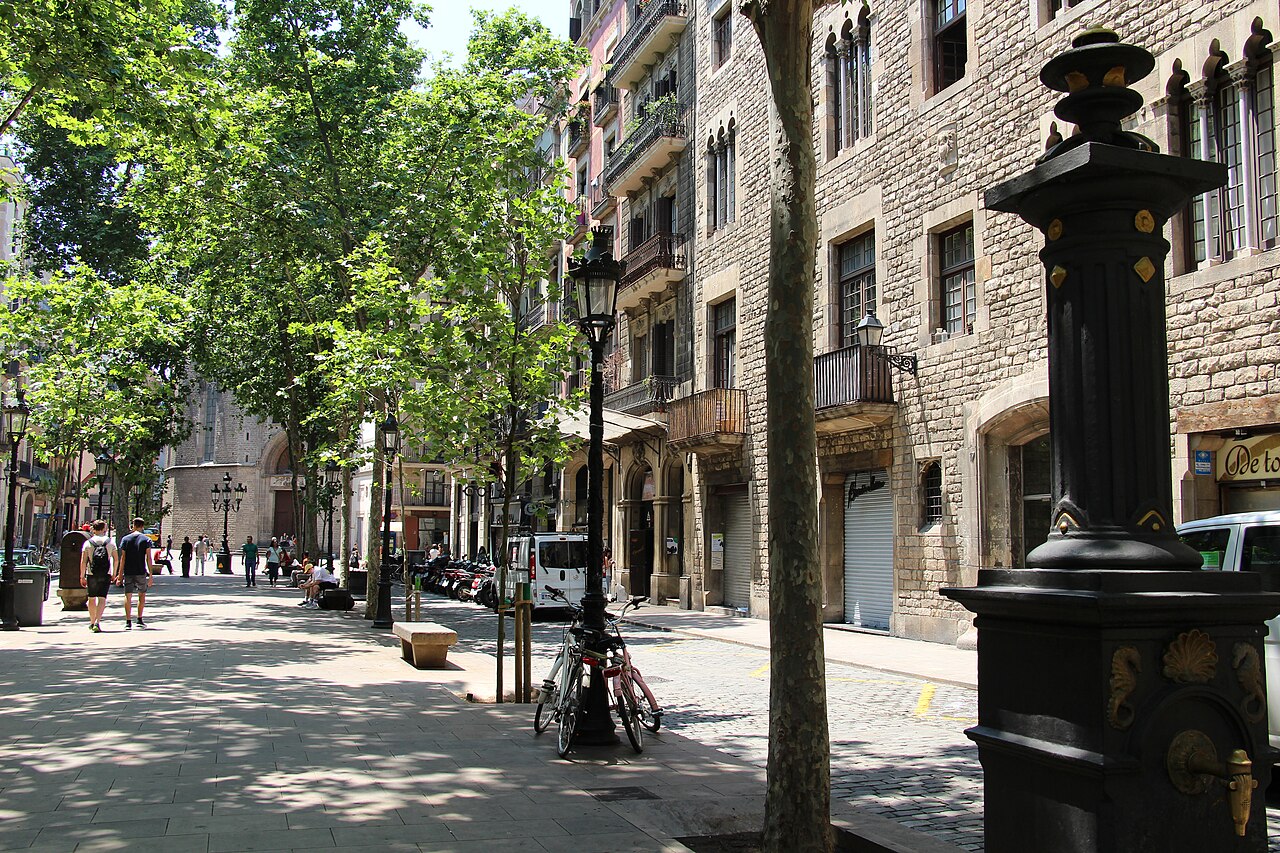
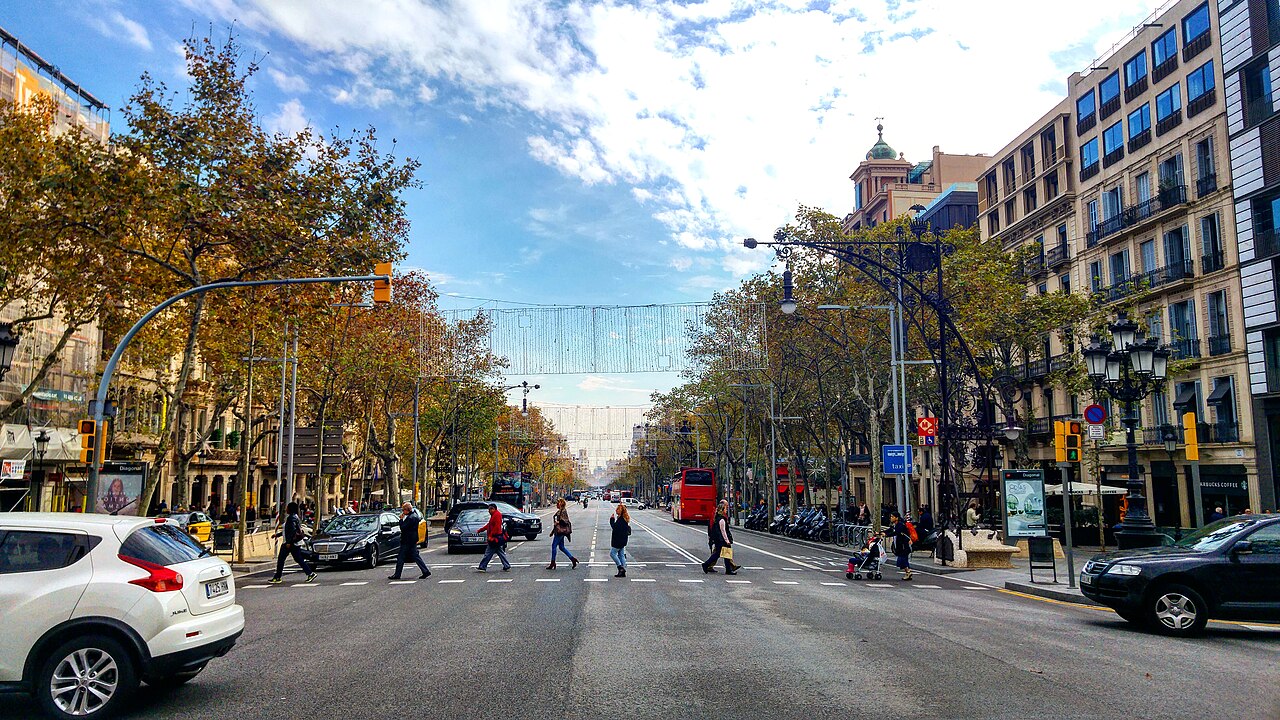
Why it fits: Pedestrian-priority street design reduces through-driving, but it does not prove a quiet room.
District: Dreta de l’Eixample
Good for: First Barcelona trip, Architecture-led days, Simple city orientation
The catch: Convenience and landmark access come with a more formal, commercial city-center atmosphere.
2. Poblenou rambla
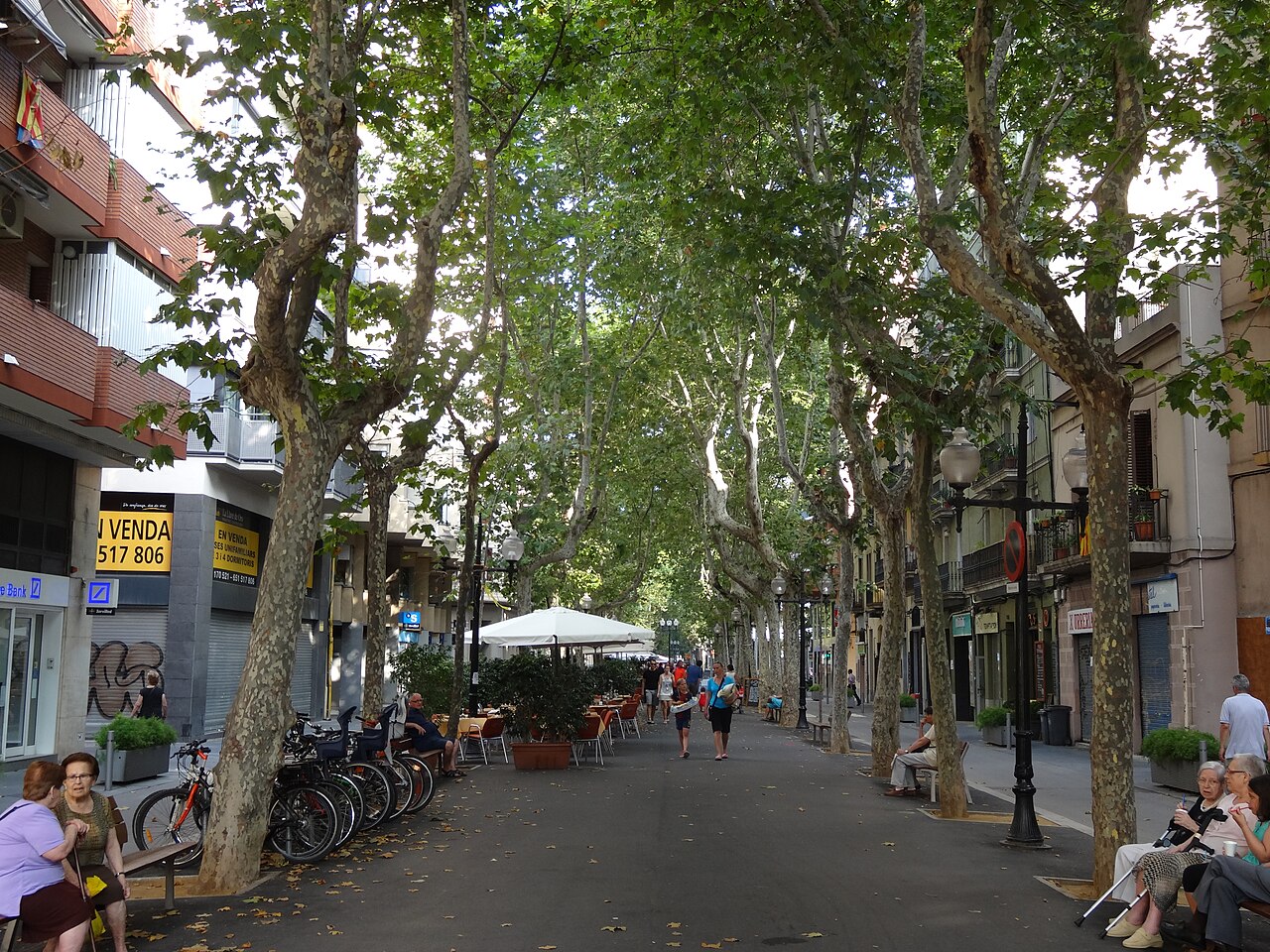
Why it fits: A neighborhood-led base, yet municipal late-use controls mean quiet still cannot be assumed.
District: Poblenou
Good for: Beach and city balance, Longer relaxed stays, A clear neighborhood spine
The catch: You gain a stronger neighborhood-and-coast rhythm but accept regular metro or taxi trips to the historic center.
3. Verdi corridor
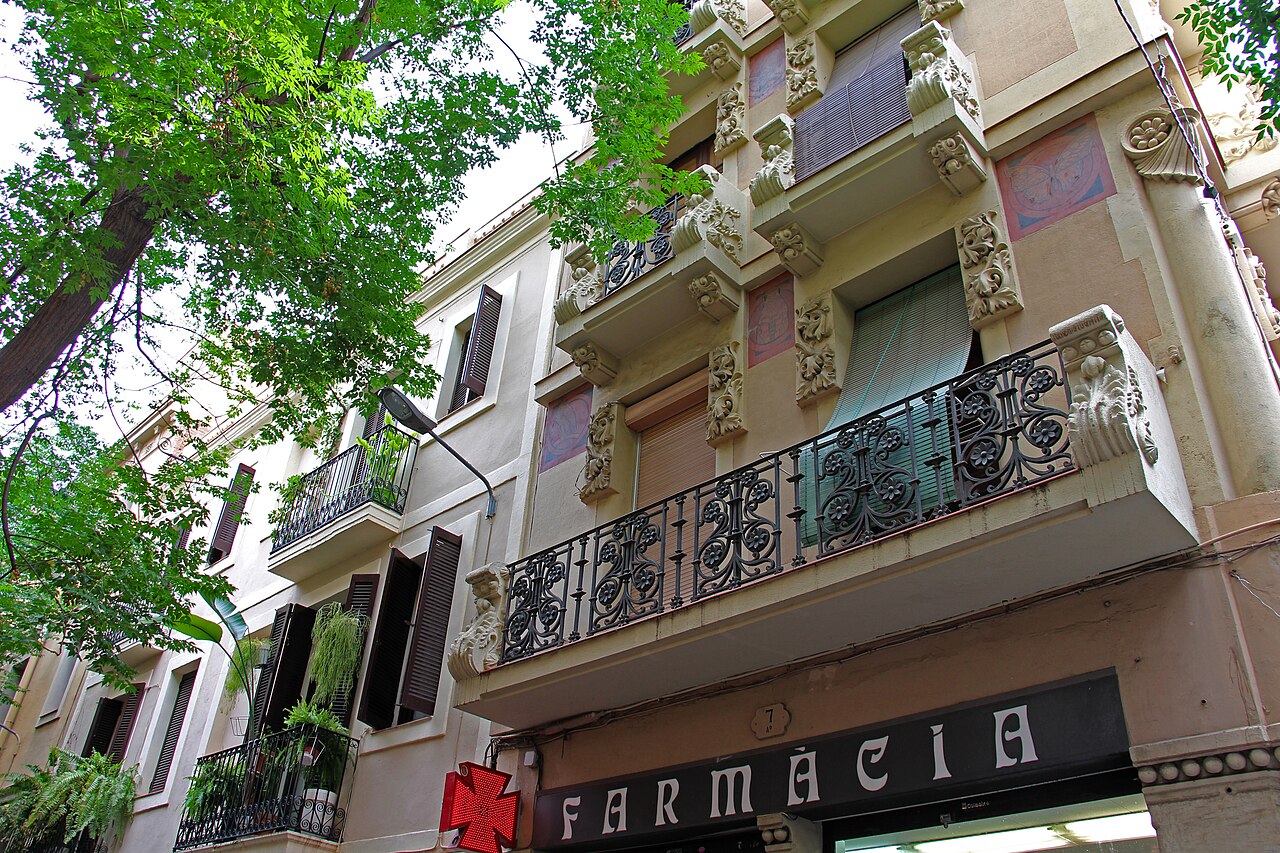
Why it fits: Social squares and evening venues make room orientation and the exact block essential checks.
District: Vila de Gràcia
Good for: Repeat visitors, Cafés and small-scale evenings, Neighborhood rhythm
The catch: Gràcia’s social life concentrates around its squares. That character is the point, but it also means this is not a uniformly hushed pocket.
What this guide cannot decide
Room position, construction, accessibility and current street conditions vary within one block. Check the actual building and room before you book. To see the areas side by side, open the Barcelona map.
More Barcelona trip styles
Where to stay in Barcelona for a first trip
Three Barcelona pockets that make a first visit easier, with the trade-off of each.
Where to stay in Barcelona for food and late evenings
Choose between historic density, Gràcia squares and a more polished central restaurant base.
Where to stay in Barcelona for beach and city access
Compare a promenade-led Poblenou base with historic and central alternatives before prioritizing the coast.